A 6-week-old has made a mild, fluttery squeaking sound when breathing in since birth. It gets louder when crying and nearly disappears when the baby is calm and feeding well. What is this most likely?
High-Pitched Squeak When Breathing In (Stridor)
Stridor is a high-pitched squeaking or whistling sound that happens when air is forced through a narrowed section of the airway — usually the voice box or the windpipe. The narrowing makes air vibrate as it squeezes through, similar to the sound made when you pinch the neck of a balloon and let air escape. In children, the airway is naturally small and soft, so even mild swelling or a floppy structure can create this sound. Stridor is heard most clearly when the child breathes in.
A high-pitched squeak when breathing in can be alarming. This guide explains what stridor is, what causes it, how to tell it from normal noises, and when to contact your pediatrician or seek emergency care.
- Clinical term: Stridor
- Parents often search for: high pitched squeak when baby breathes in, baby making squeaking noise when breathing in, stridor baby toddler, whistling sound when child breathes in, baby breathing sounds like squeaky toy
What does normal breathing sound like in babies and young children?
- Healthy babies and children breathe quietly — parents should not hear a musical, squeaky, or whistling sound during normal breathing at rest.
- Newborns may make soft snuffling or gurgling noises from mucus in the nose or throat — these are low-pitched, irregular, and come and go, which is different from the consistent high-pitched tone of stridor.
- Occasional noisy breathing during crying or feeding can be normal in young babies — the key is that it stops completely when the baby is calm and relaxed.
- Normal breathing does not require visible effort — the chest and belly move gently, and the child appears comfortable between breaths.
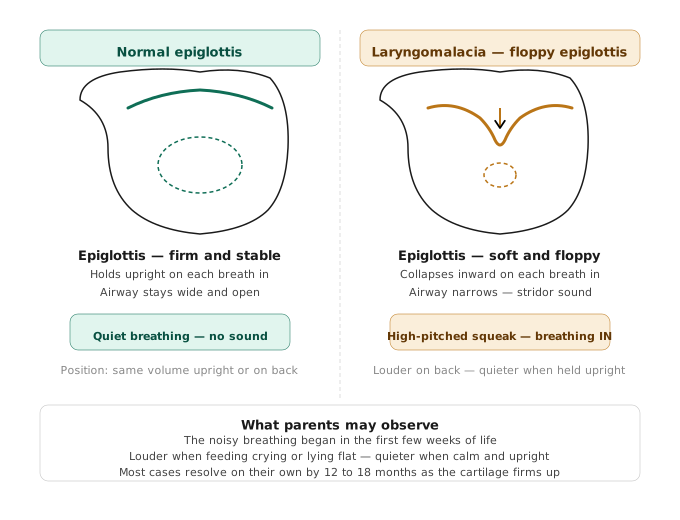
- If a baby has always made a mild, fluttery squeaking sound since birth that gets louder with crying and quieter at rest, this may be laryngomalacia — a floppy voice box that most children outgrow by age two.
What causes a high-pitched squeak when a child breathes in?
- The most common cause in young babies is laryngomalacia — the soft tissue above the voice box is floppy and collapses inward when the baby breathes in, creating a squeaky sound present from the first weeks of life.
- In toddlers and young children, the most common cause of sudden stridor is croup — a viral infection causing swelling just below the voice box, producing a harsh barking cough and squeaky sound when breathing in, often starting suddenly at night.
- Children's airways are naturally small — even a small amount of swelling from a cold, allergies, or irritation can narrow the airway enough to create a noisy high-pitched sound.
- Less common causes include a small object stuck in the airway, severe throat infections, or allergic reactions that cause rapid swelling — these tend to come on suddenly in a child who was previously well.
- Stridor that appears only when breathing in usually means the narrowing is in the upper airway — the voice box or above.
What does stridor look and sound like — and how can parents recognize it?
- Stridor is a high-pitched, musical sound — it may sound like a squeak, a whistle, or a harsh vibrating tone, and it is most noticeable when the child breathes in.
- It is different from wheezing — wheezing is a lower-pitched whistling sound heard mainly when breathing out, while stridor is higher-pitched and heard mainly when breathing in.
- Mild stridor may only appear when the child is crying, excited, or feeding — faster airflow through a slightly narrow airway makes the sound louder.
- More concerning stridor is heard even when the child is calm and at rest — this means the airway is narrow enough to create turbulence during quiet breathing.
- Parents may also notice the neck muscles pulling inward with each breath, nostrils flaring, or the child leaning forward or extending the neck to open the airway wider.
- Recording a short video with sound on a phone can capture the noise and breathing pattern — this is extremely helpful for the pediatrician to hear and see.
What can parents do at home when they hear stridor?
- Stay calm and keep the child calm — crying and agitation increase airflow speed through the narrowed airway, which makes stridor louder and breathing harder.
- If stridor started suddenly at night with a barking cough (typical of croup), cool night air may help — briefly stepping outside or sitting near an open window can sometimes ease the sound.
- Keep the child upright or slightly reclined — this allows gravity to help keep the airway as open as possible.
- Do not put anything into the child's mouth or throat to try to look inside — this can cause gagging or worsen airway swelling.
- Offer small sips of clear fluids if the child can swallow comfortably — staying hydrated helps keep airway secretions thin.
- Note the pattern: is the sound getting louder or softer?
- Is it only when crying or also at rest?
- Is the child able to drink?
- Record a video to share with the doctor.
When should parents call the doctor or seek care?
- Call the pediatrician if the child has mild stridor only during crying or activity, is feeding well, and has no color changes — this can usually be evaluated during office hours.
- Go to the emergency room if stridor is heard at rest when the child is calm and quiet — this indicates the airway is significantly narrowed.
- Seek immediate emergency care if the child is drooling and unable to swallow, sitting very still and leaning forward, or has a muffled or absent voice.
- Seek emergency care immediately if the child has any blue or gray color around the lips, fingernails, or face, or if the child becomes limp, very sleepy, or difficult to wake.
- Seek emergency care if stridor began suddenly in a previously healthy child who may have put a small object in the mouth.
- Any stridor that is getting progressively worse over minutes to hours warrants urgent evaluation — worsening stridor means the airway may be continuing to narrow.