A 3-week-old has made a soft fluttery squeaking sound when breathing in since the second week of life. It gets louder during feeds and quiets when the baby is calm. The baby is gaining weight normally. What is this most likely?
Newborn High-Pitched Squeaking (Laryngomalacia vs. Illness)
Most newborn squeaking is laryngomalacia — a floppy voice box that causes a high-pitched sound when breathing in. It typically appears around two weeks of age, gets louder with crying or feeding, and quiets down when the baby is calm. It is the most common cause of noisy breathing in babies and usually resolves on its own by 12 to 18 months. Squeaking becomes a concern when it appears suddenly in a baby who was previously quiet, comes with fever, difficulty feeding, or color changes, or gets steadily worse over hours.
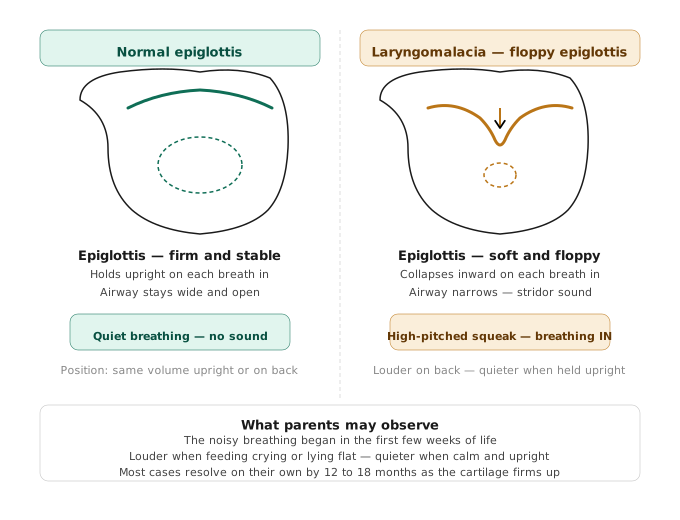
Laryngomalacia vs. Illness-Related Stridor
- Laryngomalacia is a structural condition a baby is born with — the soft tissue above the voice box is floppy and collapses inward when the baby breathes in, creating a squeaky or fluttery sound.
- It typically appears within the first two to four weeks of life and follows a predictable pattern: louder during crying, feeding, or lying on the back, and quieter when the baby is calm.
- The sound may get louder over the first few months as the baby breathes more forcefully with growth — this is expected and does not mean the condition is worsening.
- Illness-related stridor appears suddenly in a baby who was previously breathing quietly — it is caused by swelling or infection in the airway, not a floppy structure.
- The key difference: laryngomalacia is a familiar, consistent sound present since early life. Illness stridor is new, unexpected, and often comes with fever, poor feeding, or unusual behavior.
When to Worry
- The squeaking is brand new or suddenly much louder than the baby's usual sound — this is not the expected laryngomalacia pattern.
- The baby has a fever alongside the squeaking — laryngomalacia does not cause fever.
- The baby is refusing to feed, choking more than usual, or not gaining weight — these suggest the airway problem may be more significant.
- Skin pulling in at the neck, between the ribs, or below the ribs alongside the squeaking — this means the baby is working harder than a floppy voice box alone would cause.
- A muffled cry, drooling, or the baby sitting very still and leaning forward — these are warning signs of a more serious airway problem.
- Any blue or gray color around the lips or fingernails — seek emergency care immediately.
Knowledge Check
Tap the answer that best fits each scenario.
A 6-week-old has had known laryngomalacia since birth. Today the squeaking is suddenly much louder than usual and the baby has a fever of 101°F and is refusing to feed. What is the appropriate response?
A 2-month-old with laryngomalacia catches a cold. The squeaking sounds slightly louder than usual but the baby is still feeding well and has no fever or color changes. What is the most appropriate response?