PediaPulse

Child Won't Drink Due to Sore Throat — Hydration Strategies

When a child's throat hurts so much that swallowing feels like pain, fluid refusal is driven by fear of that pain — not by lack of thirst. The challenge is that the child needs fluids most when drinking hurts most. The goal is to find fluid forms and temperatures that minimize throat pain while maintaining hydration.
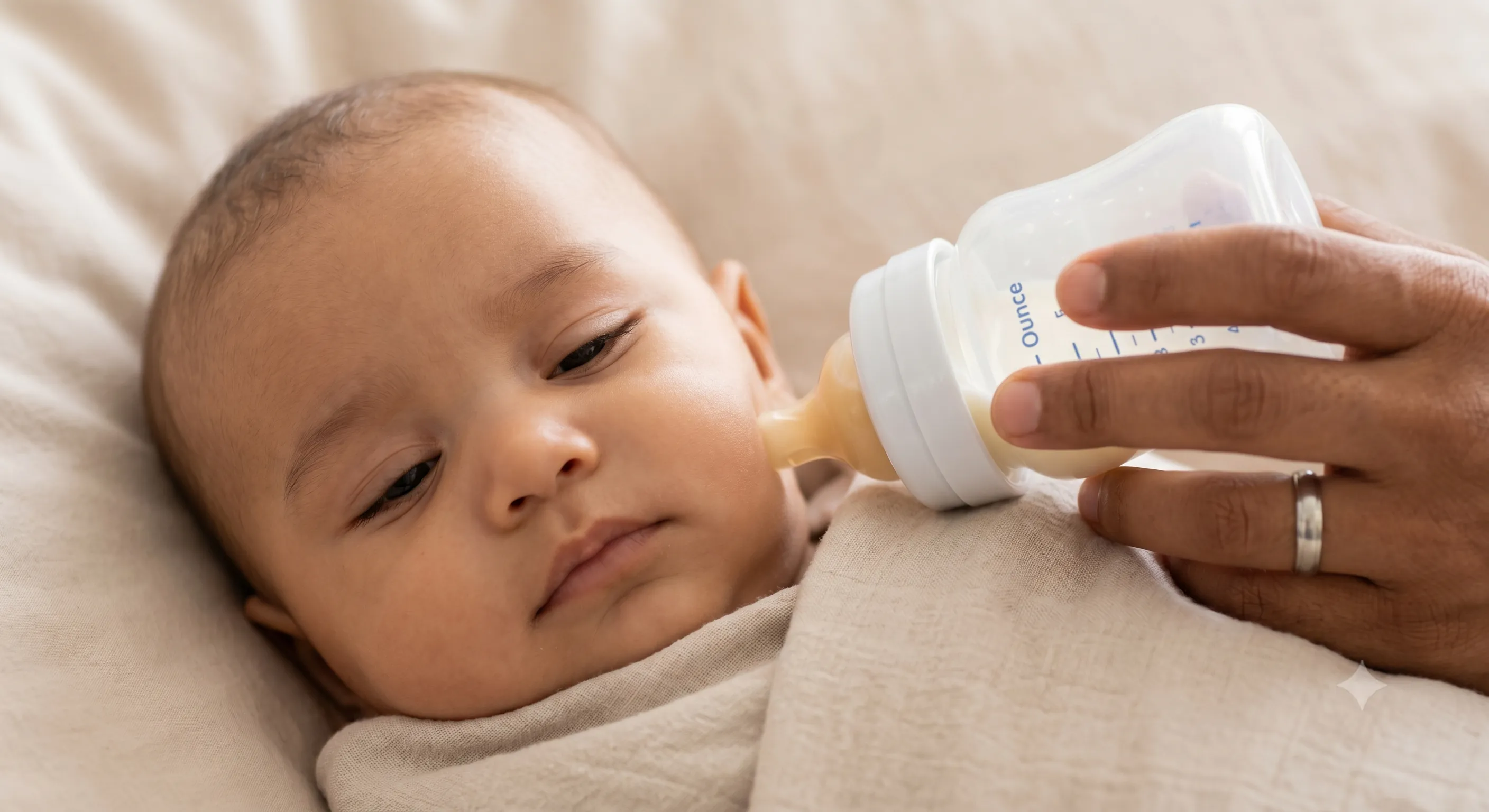
A sick child turning away from a drink — refusing fluids because of throat pain
Illustrative image.

Why does sore throat make fluid refusal different from other causes?

  • Unlike general illness-related fluid refusal, sore throat refusal is pain-driven — the child may actually want to drink but stops because swallowing hurts
  • Certain infections cause especially painful swallowing — hand, foot, and mouth disease creates blisters inside the mouth and throat; strep throat causes intense redness and swelling; tonsillitis can make the throat feel like it is closing
  • Children with sore throats often drool more because they avoid swallowing their own saliva — this extra fluid loss adds to the dehydration risk
  • Pain-driven refusal tends to be more complete than general illness refusal — a child with a stomach bug may sip reluctantly, but a child with severe throat pain may refuse absolutely everything
  • Once pain is managed, most children resume drinking willingly — making pain the single most important factor to address to prevent dehydration from sore throat
A side-view head diagram showing the location of the lacrimal (tear) glands and salivary glands, explaining how dehydration reduces tear production and saliva, leading to dry eyes and sticky mouth as observable signs for parents.LGPGSGLacrimal (tear) glandsProduce tears — dry up with dehydration→ crying with no visible tearsParotid glandLargest salivary glandMakes most of salivaSubmandibular + sublingualUnder the jaw and tongue→ sticky mouth when dryTear glands — LGSalivary glands — PG / SGBoth types of glands need water to work — reduced output of tears and saliva are early dehydration signsCheck: are there tears when crying? Is the mouth moist or sticky?

What can parents observe and try when a sore throat is preventing a child from drinking?

  • A child who has not had any meaningful fluid intake for several hours despite trying different options, or shows dehydration signs — dry mouth, no tears, decreased urination
  • Cold or frozen fluids are the first strategy — cold numbs the throat slightly and reduces pain with each swallow; popsicles, ice chips, frozen fruit bars, and chilled smoothies are commonly used
  • Avoid acidic drinks (orange juice, lemonade) and rough or scratchy foods — these irritate an already sore throat and increase refusal
  • Age-appropriate pain relief before offering fluids — once throat pain is reduced, most children will drink; timing fluid offers for 20 to 30 minutes after pain relief is a commonly used strategy
  • Offer soft, cool, water-rich foods if the child refuses all drinks — yogurt, applesauce, chilled pudding, and gelatin all contribute to fluid intake without requiring hard swallowing
  • For babies or young toddlers who refuse to suck or sip, use a syringe to place small amounts of fluid toward the inside of the cheek — this bypasses the most painful part of the throat

Track fluid intake and timing relative to pain relief

Small sips tracker

Log each small fluid offer with the time and amount. This shows a running total for a doctor visit — it does not assess hydration status.

How do pediatricians evaluate and manage fluid refusal from a sore throat?

  • The doctor will examine the throat directly to identify the cause — looking for redness, swelling, pus on the tonsils, or blisters that suggest a specific infection
  • A rapid strep test or throat culture may be performed if strep throat is suspected — bacterial throat infections may require antibiotic treatment which can reduce throat pain within 24 to 48 hours
  • Pediatricians assess hydration status alongside the throat exam — checking mouth moisture, tears, skin turgor, and urine output history
  • For mild dehydration with a painful throat, the doctor typically recommends a pain management plan combined with creative fluid strategies at home, with a follow-up check if intake does not improve within 24 hours
  • For moderate to severe dehydration or a child who cannot swallow at all, supervised rehydration or intravenous fluids may be needed while the underlying throat condition is treated

Prepare a handoff summary for the doctor

Build your caregiver handoff sheet

Share what you have already observed. The preview updates as you type. Nothing is saved on this page.

Symptoms to note (select all that apply)

Live preview

PediaPulse

Caregiver Handoff Sheet

Your handoff preview will appear here as you type.

Educational observation sheet only. This does not replace medical advice, an emergency action plan, or care from your child's clinician.

Back to Won't Drink FluidsView visual guide →

Check Your Understanding

Tap the answer that best fits each scenario.

A 2-year-old with hand, foot, and mouth disease has been refusing all drinks for 5 hours. The toddler cries and pulls away from the cup. A parent offers a frozen popsicle — the toddler accepts it slowly and finishes most of it.

What does this situation describe?

A 4-year-old has strep throat. Antibiotics were prescribed today, but the child refuses most drinks because swallowing hurts.

What does pain-driven complete fluid refusal for 6 hours with no urination in 7 hours describe?

A 3-year-old with tonsillitis has been drooling significantly and refusing all food and drink. The toddler's mouth looks dry. No tears appeared during crying. No wet diaper in 9 hours.

What does excessive drooling with complete fluid refusal and multiple dehydration signs describe?