PediaPulse

Baby & Toddler Hydration Guide: Signs of Dehydration and Fluid Red Flags

When a child is sick, one of the biggest worries is whether they are drinking enough. Fevers, vomiting, diarrhea, and feeling unwell can all reduce fluid intake — and young children lose fluids faster than adults. This guide covers what normal hydration looks like, how to spot early and late warning signs, and how pediatricians assess and manage fluid loss in babies and toddlers.

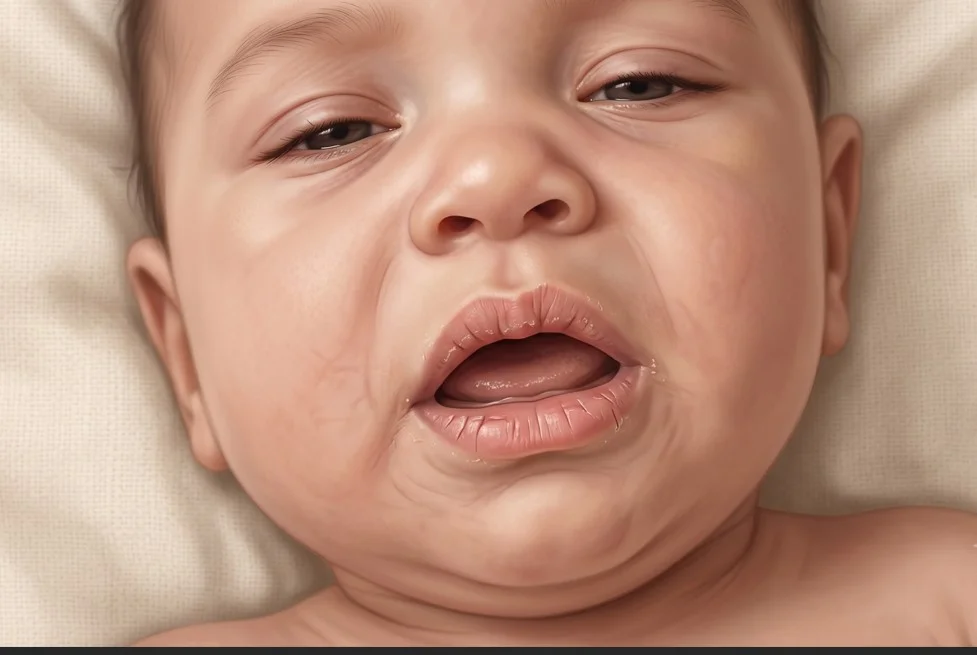
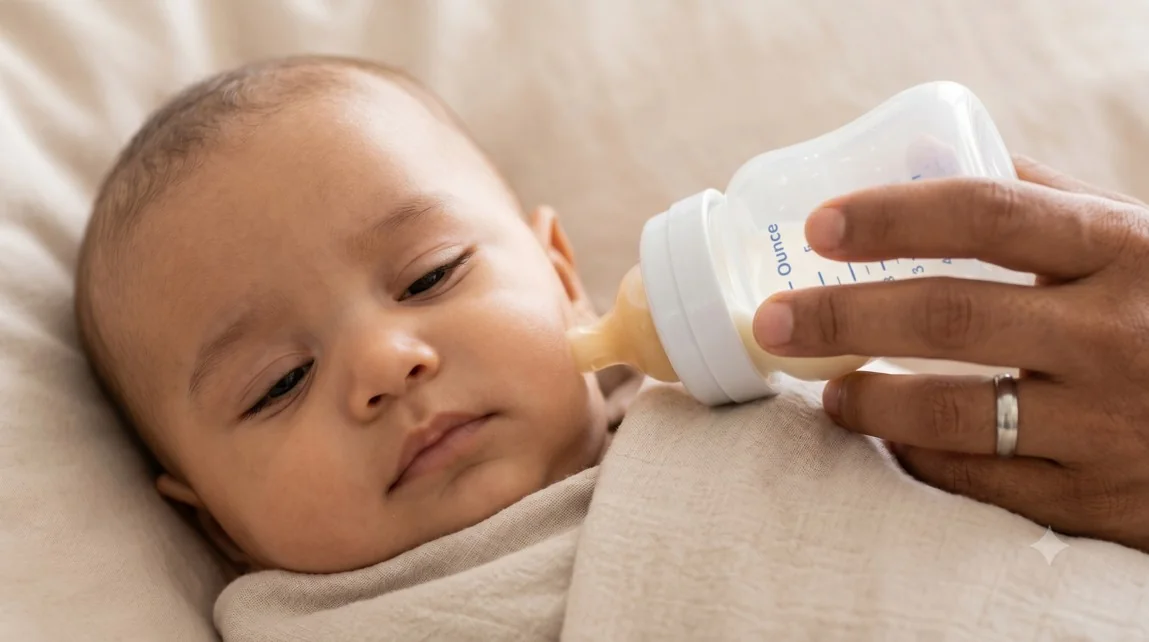
A baby with signs of dehydration — dry lips and a slightly sunken soft spot on the head
Illustrative image.

What are you observing?

What does normal hydration look like in babies and toddlers?

  • A well-hydrated baby or toddler produces tears when crying, has a moist mouth and tongue, and has eyes that look bright and normal — not sunken or glassy
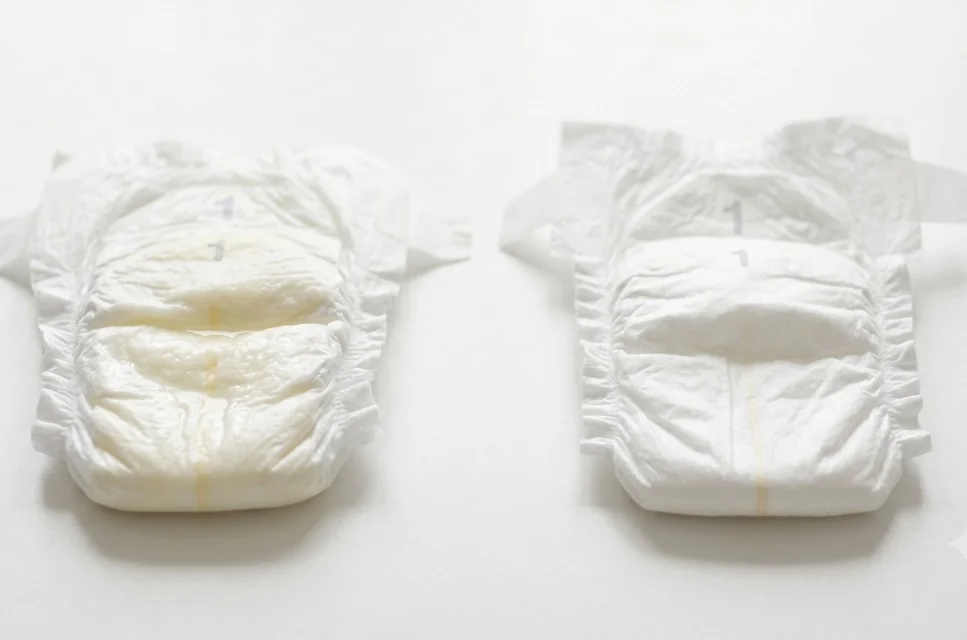
  • Wet diapers are one of the most reliable hydration clues in babies — most well-hydrated babies produce at least 4 to 6 wet diapers per day, and toddlers urinate regularly throughout the day
  • Urine should be pale yellow or nearly clear — dark yellow or strong-smelling urine can be an early sign that the child is not getting enough fluid
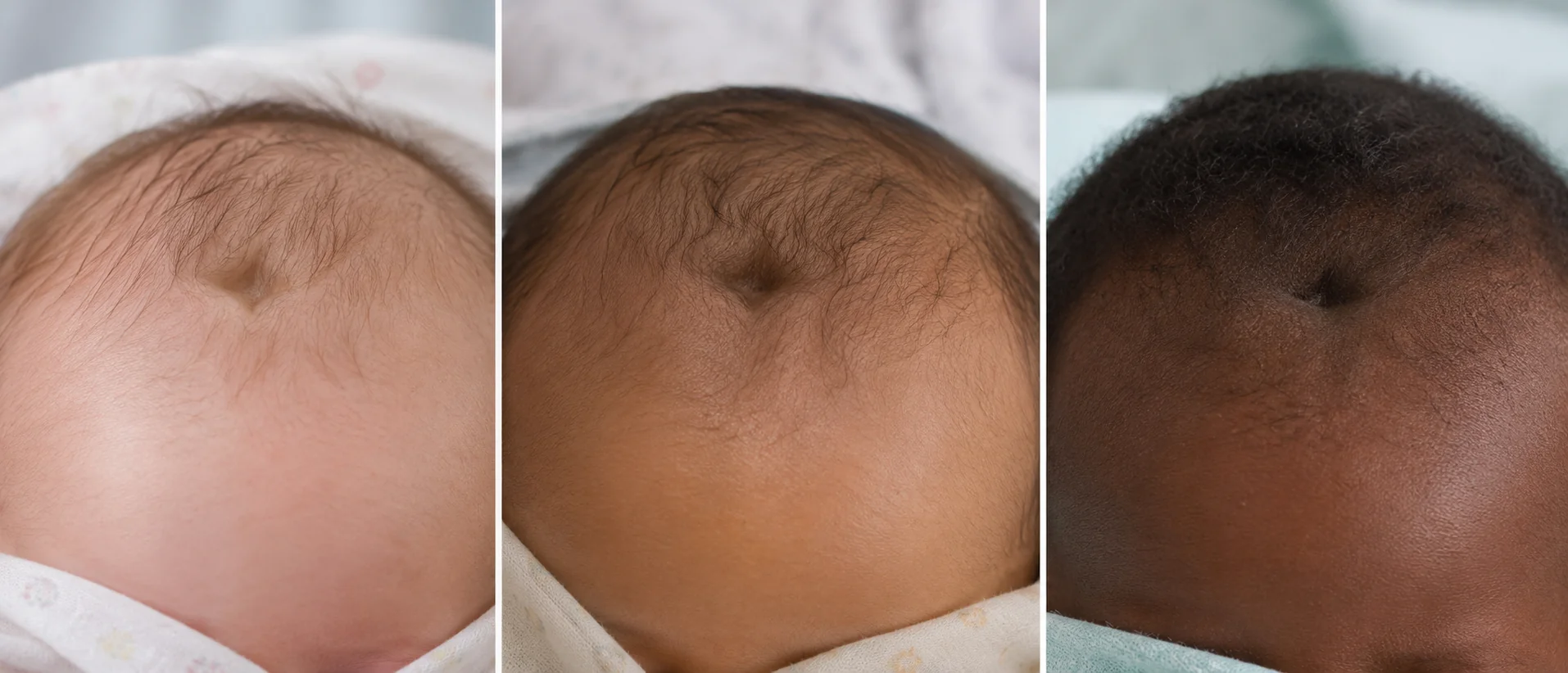
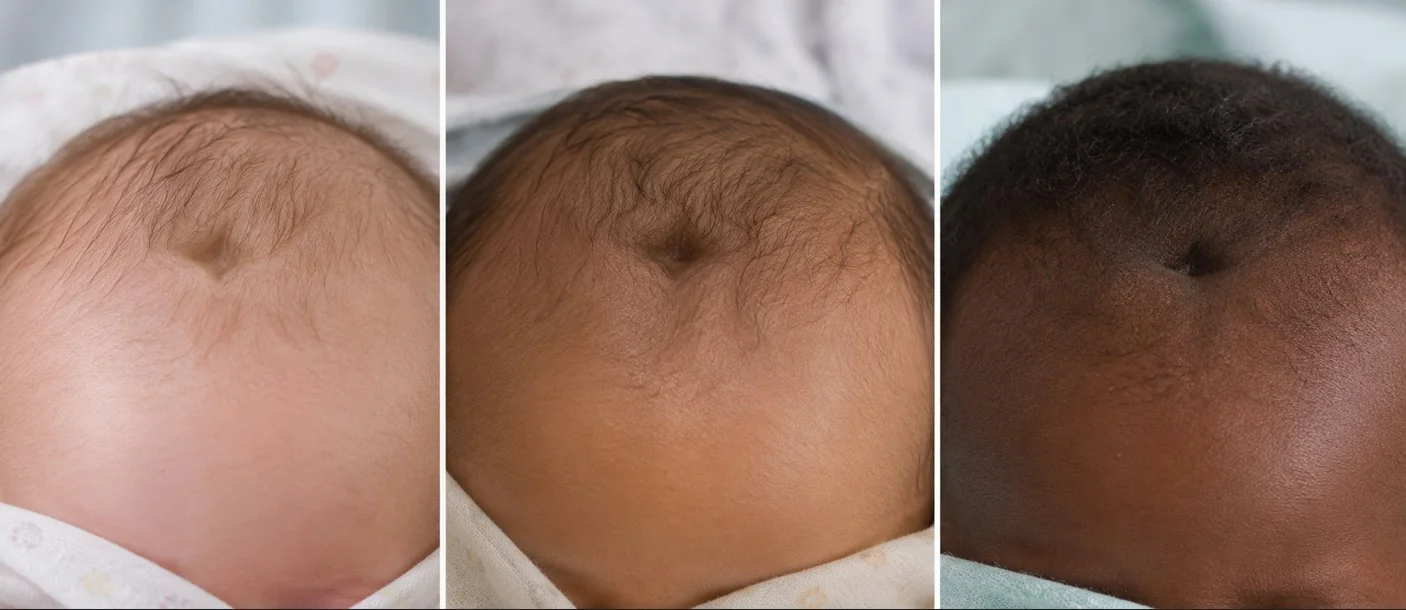
  • The soft spot on a baby's head (fontanelle) should feel flat or very slightly curved inward when the baby is calm and upright — this is a hydration marker unique to babies whose fontanelle has not yet closed
  • Normal behavior is also a hydration clue — a well-hydrated child is generally alert, interactive, and interested in feeding or drinking, even if fussy from being sick
A front-facing infant body diagram showing all the routes through which a sick baby loses fluids, including vomiting, diarrhea, sweating, faster breathing, and fever, with labels explaining why each route matters during illness.BreathingWater vapor lost each breathVomitingLarge rapid fluid lossDiarrheaFluid not reabsorbedSweatingMore with feverUrine outputFirst sign fluid is lowSick babies lose fluid faster and need more — illness increases every loss route at onceSmall, frequent sips are the most effective way to replace fluid when a child is ill

What causes dehydration in young children?

  • Vomiting and diarrhea are the most common causes — when fluids leave the body faster than they go in, dehydration can develop within hours, especially in babies and small toddlers
  • Fever increases fluid loss because the body uses extra water to produce sweat and regulate temperature — the higher the fever and the longer it lasts, the more fluid the child needs to replace
  • Refusing to drink is a major contributor — sore throats, mouth sores from illnesses like hand-foot-and-mouth disease, or simply feeling too unwell can dramatically reduce fluid intake
  • Young children are more vulnerable to dehydration than older children and adults because they have a higher body surface area relative to their weight, meaning they lose proportionally more fluid through the skin and breathing
  • Hot weather, overdressing during a fever, and prolonged crying can all increase fluid loss without parents realizing it — these invisible losses add up, especially when combined with illness
  • Babies who are exclusively breastfed or formula-fed depend entirely on feeding sessions for hydration — if they are too tired or too sick to complete a full feed, they may fall behind on fluids even without vomiting or diarrhea
A simplified diagram showing how the kidneys filter blood and produce urine, explaining why reduced urine output is the earliest sign of dehydration in babies and young children, with observable signs parents can track at home.Heart pumps bloodLeftkidneyRightkidneyBladderstores urineUrine outWell hydratedPale yellowor clear urineFrequent wetdiapersDehydratedDark yellow orstrong-smellingDry or fewerwet diapersKidneys conserve water when dehydrated — less urine is the body's earliest signal that fluid is lowBlood inBlood in

What are the early and late warning signs of dehydration?

  • Early signs are subtle and easy to miss — slightly fewer wet diapers than usual, a drier-than-normal mouth, mild fussiness, and slightly darker urine are often the first clues
  • A baby feeding less frequently or for shorter periods, or a toddler asking for drinks but only taking small sips, may be in the early stages of falling behind on fluids
  • As dehydration progresses, the signs become more visible — no tears when crying, a noticeably dry mouth and cracked lips, sunken-looking eyes, and fewer than 3 wet diapers in a 24-hour period for babies
  • In babies, a sunken soft spot that looks noticeably dipped inward is a well-recognized sign of moderate to significant dehydration — this is one of the reasons doctors check the fontanelle during sick visits
  • Late or severe signs include extreme sleepiness or difficulty waking, cold or mottled hands and feet, fast breathing, a weak or absent cry — these require urgent medical evaluation
  • A toddler who has not urinated in 8 or more hours, or a baby who has had no wet diaper in 6 or more hours, is showing a significant warning sign
A visual bar chart showing the expected number of wet diapers per day for babies and young children at different ages, from newborn through toddler, helping parents recognize when diaper output has dropped below normal during illness.Expected wet diapers per day — by age10987654321Newborn0–1 month6–81–3 months5–73–6 months4–66–12 months3–5Toddler1–3 years3–4Concernbelow 3Wet diapers per dayNormal range for ageFewer than 3 diapers — tell your doctorDuring illness, track diapers across 24 hours and share the count with your pediatrician

What can parents observe and do at home to support hydration?

  • Offer small, frequent sips rather than large amounts at once — a child who is vomiting is more likely to keep down a teaspoon every few minutes than a full cup given at once
  • For breastfed babies, continue breastfeeding on demand and offer the breast more frequently than usual — breast milk provides both hydration and nutrition and is well tolerated during illness
  • For formula-fed babies, continue offering formula at regular intervals — there is generally no need to change type unless directed by a doctor
  • For toddlers, oral rehydration solutions available at most pharmacies are designed to replace both water and the salts the body loses — research has shown that diluted apple juice followed by preferred fluids can also be effective for mild dehydration in children over 12 months
  • Avoid offering large amounts of plain water to babies under 6 months — babies this age get all hydration from breast milk or formula, and too much plain water can dilute important minerals in their blood
  • Track wet diapers or bathroom trips — having a written count helps identify a downward trend early and gives a doctor useful information
A reference card showing recommended small-volume oral rehydration amounts and frequency by age group for sick babies and young children, helping parents offer fluids in the right amounts during vomiting or diarrhea illness. Observational reference only — not a treatment guide.Oral rehydration — small and frequent is the keyObservational reference — always follow your pediatrician's guidanceAge groupAmount per offerHow oftenFluid typeUnder 6 monthsBreastfed or formula5 mL (1 tsp) at a timesyringe or spoonEvery 1–2 minutesBreast milkor formula6–12 monthsOlder infant5–10 mL at a time1–2 teaspoonsEvery 2–3 minutesORS orbreast milk1–3 yearsToddler10–15 mL at a time2–3 teaspoonsEvery 3–5 minutesORS, water,diluted juice3–5 yearsYoung child15–30 mL at a time1–2 tablespoonsEvery 5 minutesORS, water,or clear fluidsORS = oral rehydration solution (such as Pedialyte)Contains the right balance of salt and sugar — water alone is not as effectiveThe key rule — small and often beats large and infrequentIf child vomits, wait 10 minutes then restart with tiny amountsA small amount absorbed is better than a large amount vomited back up

How do pediatricians assess and manage dehydration?

  • The doctor will look at the child's overall appearance — alertness, energy level, and responsiveness give an immediate sense of how significant the dehydration may be
  • Specific physical signs are checked — the mouth and tongue for dryness, whether tears are present, the fontanelle in babies, and capillary refill by pressing on a fingertip to see how quickly color returns
  • Skin turgor — gently pinching the skin to see if it springs back — is another exam finding doctors use; skin that stays tented rather than returning quickly suggests significant fluid loss
  • Doctors generally classify dehydration as mild, moderate, or severe based on a combination of these signs — mild dehydration is usually managed at home with oral fluids, while moderate to severe may require evaluation in a medical setting
  • For moderate dehydration, oral rehydration therapy may be given in the office or emergency room in measured small doses over several hours while monitoring the child's response
  • For severe dehydration or when a child cannot keep any fluids down, intravenous fluids are used to restore hydration quickly — blood tests may also be ordered to check electrolyte levels and kidney function

Capillary refill — what pediatricians check

A doctor presses on a baby's fingertip until it turns white, then releases and counts how long it takes for the pink color to return. Under 2 seconds is normal. Over 3 seconds suggests poor blood flow and may indicate significant dehydration or poor circulation. This test is performed by a clinician — it is difficult to interpret reliably at home.

A front-facing infant body diagram with numbered markers showing the best locations to check capillary refill time — fingernails, toenails, and sternum — with step-by-step instructions for each location and what to observe for hydration assessment.1234Fingernail — best spotPress until white, releaseCount seconds to pink returnSternum — older infantsPress center of chestObserve color returnToenail — alternativeSame press-release methodUnder 2 secNormal2–3 secondsMonitorOver 3 secondsTell doctorHold hand at heart level in good light — cold hands may slow refill even in well-hydrated babiesAlways tell your doctor the exact count and which location you checked

Skin turgor — what pediatricians check

A doctor gently pinches the skin on the belly or the back of the hand, then releases. In a well-hydrated child the skin springs back immediately. Skin that stays pinched — called tenting — suggests the dermis has lost its normal water content. This is a clinical assessment performed during examination, not a reliable parent-performable test at home.

A cross-section of skin showing three layers — epidermis, dermis, and subcutaneous fat — with two side-by-side comparisons showing how the dermis behaves when hydrated versus dehydrated, explaining why dehydrated skin stays tented when pinched.Hydrated skinEpidermisDermis — elastic and water-richSubcutaneous fatSkin springs back immediately ✓Dehydrated skinEpidermisDermis — dry, fibers less elasticSubcutaneous fatSkin stays tented — tells doctorWater in dermisElastic fibers — hydratedElastic fibers — dehydratedSkin turgor is assessed by a pediatrician — it is difficult to interpret reliably at homeUnderstanding why it happens helps parents describe what they see

Knowledge check

Check Your Understanding

Tap the answer that best fits each scenario.

A 9-month-old has had diarrhea for 12 hours. The baby has had 2 wet diapers today compared to the usual 5 or 6. The mouth looks slightly dry but the baby is still making tears when crying and is alert and responsive.

What does this pattern of reduced wet diapers describe?

A 2-year-old has been vomiting for 6 hours. The parent tries offering small sips of fluid every few minutes. The toddler keeps a small amount down between vomiting episodes, is still making tears when upset, and urinated once in the last 4 hours.

What does this situation describe?

A 4-month-old has a fever and has not had a wet diaper in 7 hours. When crying, no tears are visible. The baby's lips look dry and the soft spot on top of the head appears noticeably sunken inward.

What does this combination of signs describe?