PediaPulse

Toddler Won't Drink Fluids During Illness — Preventing Dehydration

Toddlers ages 1 to 3 are old enough to drink from cups and eat water-rich foods, but also old enough to refuse firmly. When a sick toddler will not drink, dehydration can develop over the course of a day. The key difference from babies is that toddlers have more hydration options, so creative strategies often work when a straightforward cup of water does not.
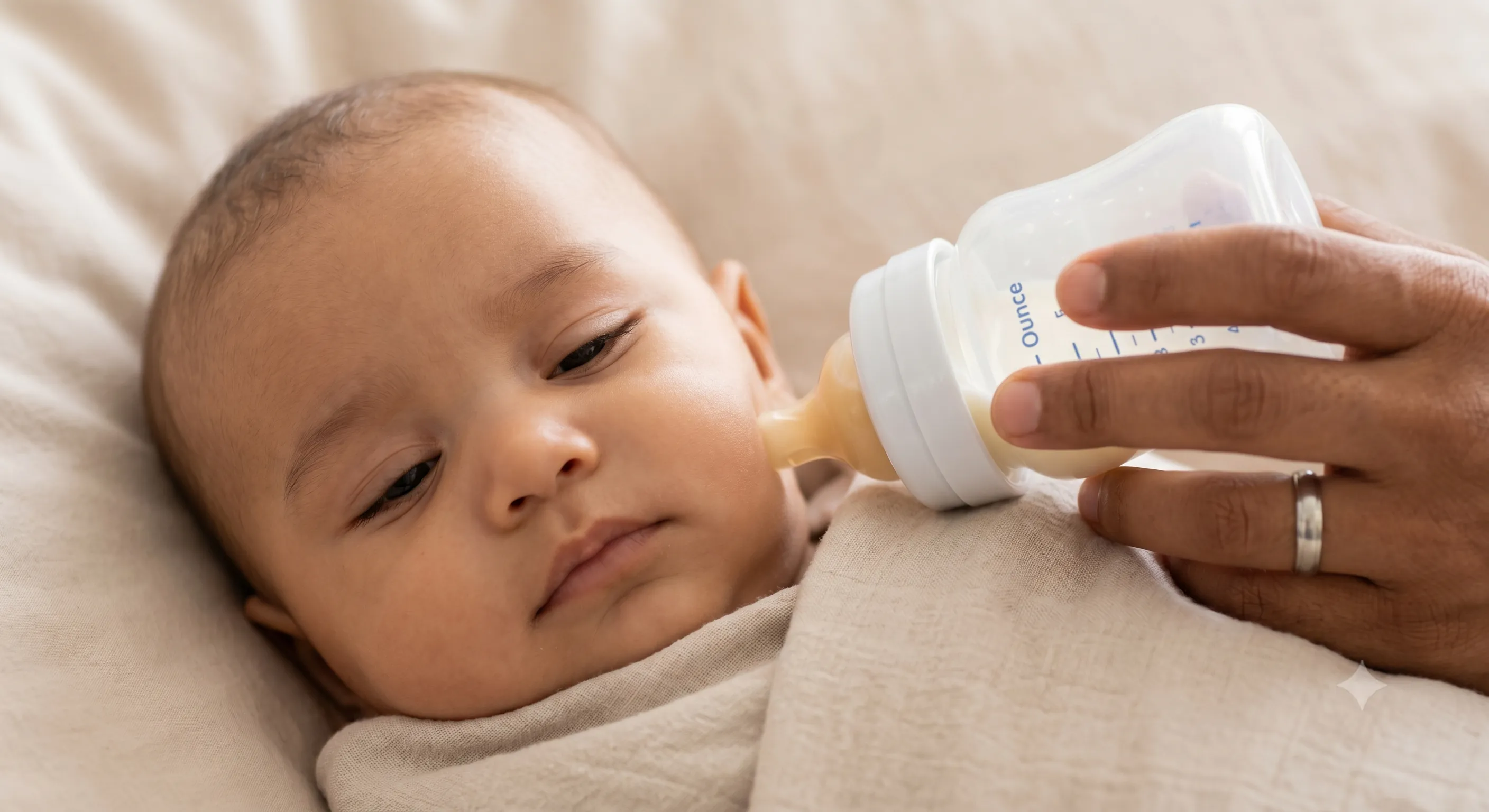
A toddler turning away from a drink being offered during illness
Illustrative image.

Why is fluid refusal different in toddlers than in babies?

  • Toddlers can drink a variety of fluids and eat water-rich foods, giving parents many more tools to get fluid in compared to babies who rely solely on milk
  • Toddlers are developmentally wired to assert independence — saying no to drinks is common even when healthy, and illness amplifies this refusal
  • Toddlers are more active than babies even when sick, which means they continue losing fluid through movement and sweating
  • Unlike babies, toddlers may be partially potty-trained, making it harder to track urine output — temporarily returning to diapers during illness helps parents monitor accurately
  • Toddlers can communicate discomfort in basic ways — pointing to their throat or pushing away a cup — which can help parents identify why they are refusing
A reference card showing recommended small-volume oral rehydration amounts and frequency by age group for sick babies and young children, helping parents offer fluids in the right amounts during vomiting or diarrhea illness. Observational reference only — not a treatment guide.Oral rehydration — small and frequent is the keyObservational reference — always follow your pediatrician's guidanceAge groupAmount per offerHow oftenFluid typeUnder 6 monthsBreastfed or formula5 mL (1 tsp) at a timesyringe or spoonEvery 1–2 minutesBreast milkor formula6–12 monthsOlder infant5–10 mL at a time1–2 teaspoonsEvery 2–3 minutesORS orbreast milk1–3 yearsToddler10–15 mL at a time2–3 teaspoonsEvery 3–5 minutesORS, water,diluted juice3–5 yearsYoung child15–30 mL at a time1–2 tablespoonsEvery 5 minutesORS, water,or clear fluidsORS = oral rehydration solution (such as Pedialyte)Contains the right balance of salt and sugar — water alone is not as effectiveThe key rule — small and often beats large and infrequentIf child vomits, wait 10 minutes then restart with tiny amountsA small amount absorbed is better than a large amount vomited back up

What should parents watch for and try when a toddler refuses fluids?

  • No urination for 6 to 8 hours, dry lips and mouth, no tears during crying, or unusual sleepiness alongside fluid refusal
  • Research has shown that for toddlers with mild illness, diluted apple juice and preferred fluids can be as effective as electrolyte solutions — offering whatever the child will actually drink is a valid strategy
  • Try popsicles, frozen fruit bars, ice chips, watermelon, soup broth, or gelatin as alternative fluid sources when a toddler refuses a cup
  • Make drinking appealing — a special cup, a silly straw, a cheers game, or letting the toddler choose between two drink options can overcome refusal
  • Offer tiny sips every few minutes rather than presenting a full cup — small amounts are less overwhelming and add up over hours
  • Avoid forcing fluids — this can cause gagging, vomiting, or stronger refusal; gentle persistence with variety works better than pressure

Track small sips and fluid intake over time

Small sips tracker

Log each small fluid offer with the time and amount. This shows a running total for a doctor visit — it does not assess hydration status.

During illness, offer small sips frequently — for example 1 to 2 tablespoons (15 to 30 mL) every few minutes rather than a full cup at once.

Observation Summary

Age group: Toddler (1 to 3 years). During illness, offer small sips frequently — for example 1 to 2 tablespoons (15 to 30 mL) every few minutes rather than a full cup at once.

Why Pediatricians Ask About This

When illness affects hydration, pediatricians ask how much fluid a child accepted and whether they kept it down. A sip-by-sip log shows volume and timing without you having to estimate from memory during a visit or phone call.

Other Things Parents Often Notice

  • Whether your child refused usual fluids or only took small amounts
  • Vomiting or spitting up noted shortly after drinking
  • Type of fluid offered (breast milk, formula, oral rehydration solution, water)
  • Whether intake improved or stayed the same over several hours

Share this observation with your child's pediatrician.

How do pediatricians evaluate and manage fluid refusal in toddlers?

  • The doctor will check hydration signs — mouth moisture, tear production, skin turgor, capillary refill, and overall energy level
  • Pediatricians examine the throat and mouth for sores, redness, or swelling that might explain why the toddler is refusing to drink
  • For mild dehydration, doctors typically recommend continued creative oral rehydration at home with a follow-up check within 24 hours
  • For moderate dehydration or persistent refusal, the toddler may receive supervised oral rehydration in the office or emergency room — small measured amounts given by syringe over a set period
  • For severe dehydration, intravenous fluids are given to restore hydration quickly while the underlying illness is addressed

Prepare a handoff summary for the doctor

Build your caregiver handoff sheet

Share what you have already observed. The preview updates as you type. Nothing is saved on this page.

Symptoms to note (select all that apply)

Live preview

PediaPulse

Caregiver Handoff Sheet

Your handoff preview will appear here as you type.

Educational observation sheet only. This does not replace medical advice, an emergency action plan, or care from your child's clinician.

Back to Won't Drink FluidsView visual guide →

Check Your Understanding

Tap the answer that best fits each scenario.

A 2-year-old with a stomach bug has refused water, juice, and milk for 3 hours. A parent tries offering a popsicle — the toddler accepts it enthusiastically and eats the whole thing. The toddler urinated about 2 hours ago.

What does accepting a popsicle after refusing other drinks describe?

A 20-month-old has been refusing all fluids for 7 hours during a fever. The toddler has not urinated since this morning — approximately 8 hours ago. The mouth looks dry and sticky. The toddler is lying still and not interested in toys.

What does 7 hours of complete fluid refusal with no urination in 8 hours describe?

A 3-year-old with a cold has been partially drinking — accepting small sips of broth and a few bites of watermelon over the past 4 hours, but refusing cups of water or juice. The toddler urinated about 3 hours ago and the urine was pale yellow.

What does partial fluid acceptance with recent pale yellow urination describe?