PediaPulse

Toddler Dry Mouth and No Tears While Sick

Toddlers ages 1 to 3 should always produce visible tears during a strong cry and have a moist, glistening mouth. When a sick toddler cries without tears or has a sticky dry-looking mouth, the body is conserving fluid for vital organs. Because toddlers often refuse drinks when unwell, these signs can appear quickly during illness.
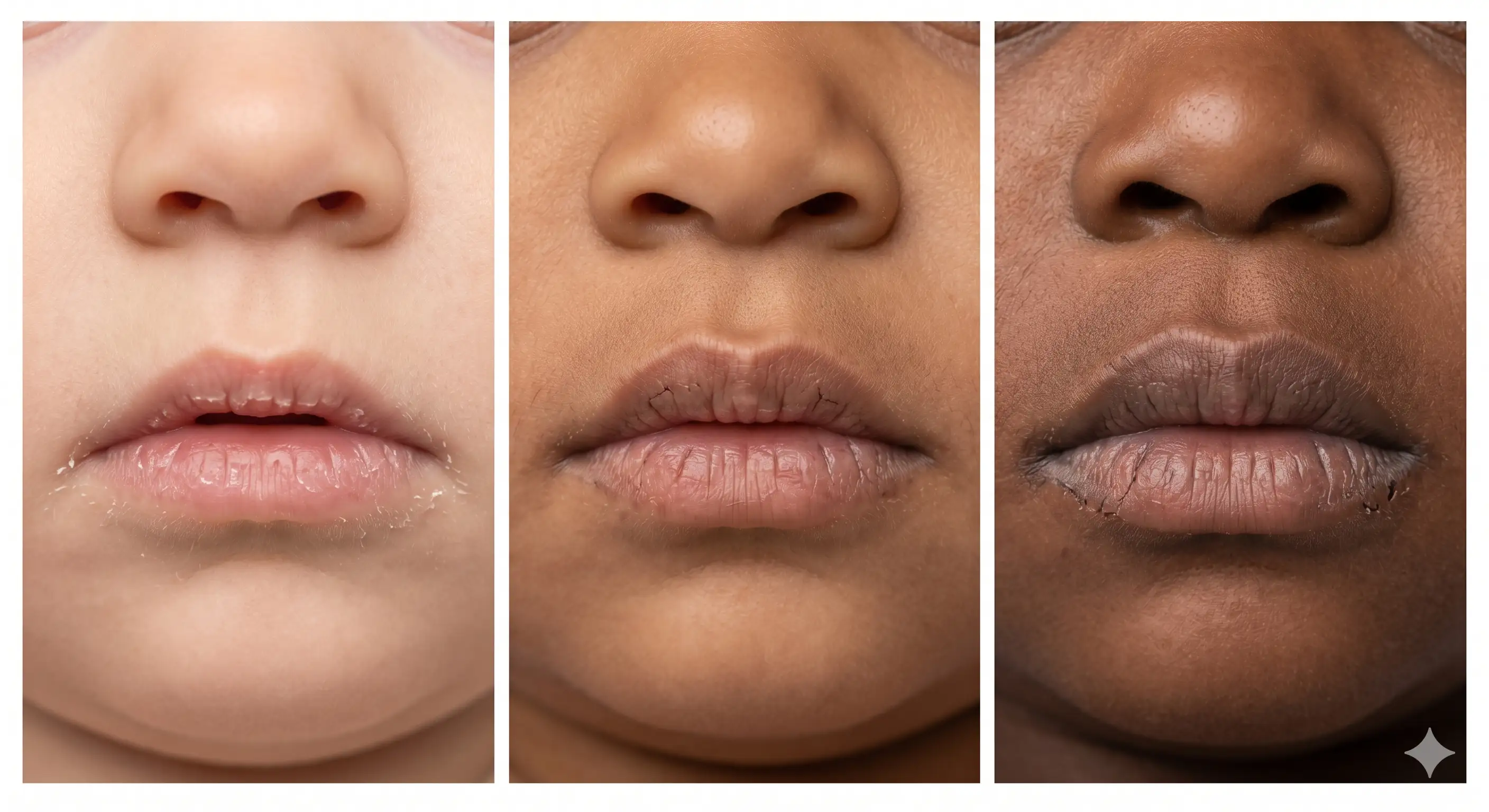
A toddler with dry cracked lips and a dry mouth during illness — an early dehydration sign
Illustrative image.

Why is dry mouth and absent tears different in toddlers than in babies?

  • Toddlers have fully mature tear glands, so absent tears during hard crying is always a meaningful sign — there is no newborn grace period to account for
  • Toddlers are more likely to refuse fluids when sick due to sore throats, mouth sores, nausea, or simply feeling unwell, which can lead to dry mouth and tearless crying quickly
  • Higher activity levels mean toddlers lose extra fluid through sweating and movement even while ill, adding to the risk
  • Toddlers who are partially potty-trained make it harder to track urine output, so mouth moisture and tear production become even more important hydration clues
  • Unlike babies, toddlers can drink from cups and accept a wider variety of fluids, giving parents more rehydration options once early signs are recognized
A side-view head diagram showing the location of the lacrimal (tear) glands and salivary glands, explaining how dehydration reduces tear production and saliva, leading to dry eyes and sticky mouth as observable signs for parents.LGPGSGLacrimal (tear) glandsProduce tears — dry up with dehydration→ crying with no visible tearsParotid glandLargest salivary glandMakes most of salivaSubmandibular + sublingualUnder the jaw and tongue→ sticky mouth when dryTear glands — LGSalivary glands — PG / SGBoth types of glands need water to work — reduced output of tears and saliva are early dehydration signsCheck: are there tears when crying? Is the mouth moist or sticky?

What should parents watch for and do at home when a toddler has dry mouth and no tears?

  • No tears during a strong cry combined with a dry, sticky mouth that does not improve after offering fluids for an hour or two
  • Offer small, frequent sips rather than large cups — a few teaspoons every few minutes is easier for a sick stomach to absorb
  • Oral rehydration solutions replace both water and essential salts more effectively than juice or water alone — these are a good first choice when early dryness signs appear
  • For toddlers who refuse to drink, try popsicles, ice chips, frozen fruit bars, or a favorite special cup to encourage intake
  • Research has shown that for toddlers with mild illness, diluted apple juice followed by preferred fluids can be effective at maintaining hydration
  • Continue a normal diet alongside extra fluids — soups, watermelon, yogurt, and other water-rich foods also contribute to hydration

Check mouth, lips, tears, and wet diaper count together

Combined hydration observation

Check each sign you can observe right now. This records what you see — it does not assess hydration status.

How do pediatricians evaluate and manage dry mouth and absent tears in toddlers?

  • The doctor checks for tears during crying and examines the entire inner mouth — a truly dehydrated mouth looks dry and sticky on the tongue, inner cheeks, and gums, not just the lips
  • Skin turgor is tested by gently pinching the belly skin, and capillary refill is checked by pressing a fingertip to see how quickly color returns
  • Pediatricians combine tear, mouth, skin, and urine findings together for a more accurate assessment — multiple signs present at once are far more reliable than any single finding alone
  • For mild dehydration, doctors typically recommend oral rehydration at home with a follow-up check within 24 hours
  • For moderate to severe dehydration or when the toddler cannot keep any fluids down, supervised rehydration in the office or emergency room is used — intravenous fluids may be given if oral intake fails

Prepare a handoff summary for the doctor

Build your caregiver handoff sheet

Share what you have already observed. The preview updates as you type. Nothing is saved on this page.

Symptoms to note (select all that apply)

Live preview

PediaPulse

Caregiver Handoff Sheet

Your handoff preview will appear here as you type.

Educational observation sheet only. This does not replace medical advice, an emergency action plan, or care from your child's clinician.

Back to Crying With No TearsView visual guide →

Check Your Understanding

Tap the answer that best fits each scenario.

A 2-year-old has had diarrhea since morning. In the afternoon the toddler cries hard after falling but no tears appear. A parent checks the inside of the mouth — the tongue and inner cheeks look tacky and dry, not glistening.

What does tearless crying with a dry sticky inner mouth describe in a toddler?

A 20-month-old with a fever has been refusing all drinks for 3 hours. A parent tries offering a popsicle and the toddler accepts it and eats most of it. After the popsicle, the inner mouth looks moist and the toddler seems more comfortable.

What does this situation describe?

A 3-year-old has been vomiting and has a dry sticky mouth and no tears when crying. The toddler has had no wet diaper in 8 hours. The child is lying still and not interested in play or TV.

What does dry mouth, no tears, no wet diaper, and no interest in play describe together?