A 3-week-old makes a soft grunt sound while pushing during a diaper change, then stops completely and looks comfortable. What is this?
Baby Making Grunting Noises (Respiratory Grunting)
Respiratory grunting is a short, low-pitched sound a baby makes at the end of each breath out. It happens when the baby partially closes the vocal cords during exhaling to keep the tiny air sacs in the lungs open and filled with air. Brief grunting in the first minutes after birth is common as the lungs clear fluid. Persistent or rhythmic grunting with every breath, especially alongside other signs of breathing difficulty, signals that the baby is working harder than normal to keep the lungs inflated.
Hearing your baby grunt can be unsettling when you are unsure whether it is normal straining or a sign of breathing difficulty. This guide explains what respiratory grunting sounds like, what causes it, and when to call your pediatrician.
- Clinical term: Respiratory Grunting
- Parents often search for: baby making grunting noise every breath, baby grunting sound when breathing, newborn grunting with each breath out, baby grunt on exhale breathing, infant grunting respiratory distress
Do babies normally make grunting sounds?
- Babies make many noises — squeaks, snorts, gurgles, and occasional grunts — especially during sleep, feeding, stretching, or having a bowel movement.
- These are normal and not related to breathing difficulty.
- Brief grunting in the first few minutes after birth is common as the lungs clear leftover fluid and adjust to breathing air for the first time.
- Normal baby grunts are random, come and go, and happen during specific activities like straining or stretching — they do not repeat with every single breath.
- The key difference: normal grunting is occasional and the baby looks comfortable between grunts.
- Respiratory grunting is rhythmic, happens with every breath out, and the baby looks like they are working hard.
- A baby who grunts once or twice while settling into sleep or during a diaper change is behaving normally — this is not the same as the steady, repetitive grunting of respiratory distress.
What causes respiratory grunting in babies?
- Respiratory grunting happens when the tiny air sacs in the lungs are having trouble staying open — the baby instinctively pushes air out against partially closed vocal cords to create back-pressure that keeps the air sacs inflated.
- In newborns, the most common cause is leftover fluid in the lungs after birth — this is especially common after cesarean deliveries because the squeezing action of a vaginal delivery that helps clear lung fluid does not occur.
- Infections such as pneumonia or a body-wide infection can cause the air sacs to fill with fluid or become inflamed, making it harder for them to stay open and triggering the grunting reflex.
- In older babies and toddlers, viral illnesses like bronchiolitis can cause swelling and mucus buildup in the small airways, leading to grunting as the baby tries to maintain airflow.
- Persistent grunting always deserves medical attention — the body does not grunt without a reason.
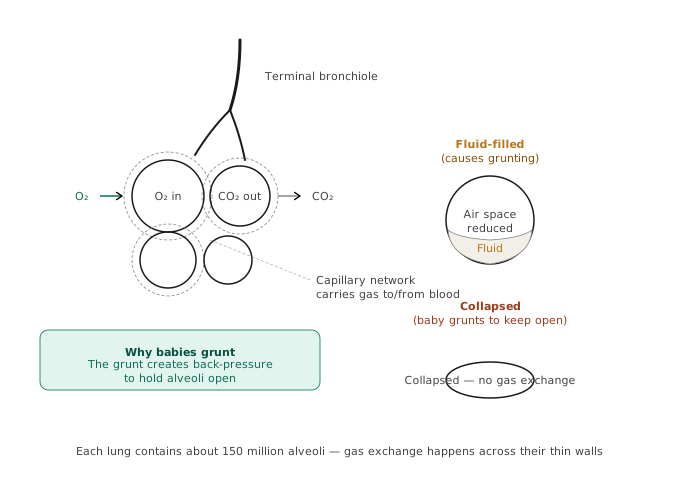
What does respiratory grunting sound like — and how can parents recognize it?
- Respiratory grunting is a short, low-pitched sound — an uh or eh — that the baby makes at the end of each breath out.
- It repeats rhythmically with every exhale.
- It sounds different from crying, fussing, or the random grunts babies make while straining — respiratory grunting is steady, repetitive, and continues even when the baby is not moving.
- Parents may notice belly moving more than usual, nostrils flaring with each breath in, or skin pulling in between the ribs alongside the grunting.
- The sound may be soft and easy to miss in a noisy room — placing an ear close to the baby's face during a quiet moment helps parents hear the rhythmic exhale sound more clearly.
- If the baby is grunting with every breath for several minutes straight and the sound does not stop when the baby is calm and still, this is likely respiratory grunting rather than normal baby noises.
What can parents do at home when they notice grunting?
- Stay calm and observe the baby closely for a few minutes — note whether the grunting is happening with every breath or only occasionally, and whether the baby looks comfortable or is showing other signs of effort.
- Check the baby's color — healthy pink skin including lips and tongue is reassuring.
- Blue or pale color around the lips, face, or fingertips means the baby needs immediate medical attention.
- Keep the baby's nose clear by gently using a bulb syringe or nasal aspirator if there is visible mucus.
- Do not try to feed a baby who is grunting with every breath — a baby working hard to breathe may choke.
- Wait until the breathing pattern improves or seek medical guidance first.
- Note the time the grunting started and whether it is getting better, staying the same, or getting worse — this information is very helpful for the doctor.
When should parents call the doctor or seek care?
- Call the pediatrician promptly if the baby is grunting with every breath for more than a few minutes and the sound does not stop when the baby is calm and at rest.
- Seek emergency care immediately if the grunting is accompanied by blue or gray color around the lips or face, the baby is limp or difficult to wake, or the baby is refusing to feed entirely.
- Seek urgent care if the baby has a fever along with grunting — especially in babies under 3 months old, where fever combined with breathing changes can indicate a serious infection.
- Watch for worsening: if the grunting gets louder, breathing rate increases noticeably, or the skin starts pulling in deeply at the neck or ribs, these are signs of escalating distress.
- Any newborn under 28 days old with persistent grunting should be evaluated by a doctor — in this age group, grunting is considered a significant sign of respiratory distress until proven otherwise.