A 2-week-old is sleeping and making a mix of grunts, squeaks, and sighs. The eyelids are fluttering and the arms are making small twitchy movements. Then the baby goes completely still and quiet. What is this?
Active Sleep Noises vs. Respiratory Grunting in Newborns
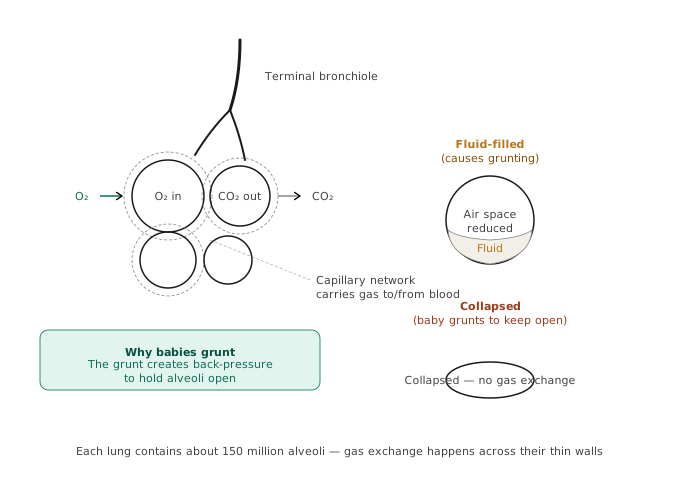
Newborns spend about half their sleep in active sleep — naturally noisy with irregular breathing, squeaks, grunts, whimpers, and brief pauses. True respiratory grunting is different: a short, rhythmic sound that repeats with every single breath out, does not stop between sleep phases, and is usually accompanied by visible signs of effort like flaring nostrils or skin pulling in. If grunting comes and goes alongside twitching and facial movements and the baby looks relaxed between sounds, it is almost certainly active sleep.
Why Newborns Are Noisy During Sleep
- Newborns cycle between quiet sleep — deep, still, regular breathing — and active sleep — lighter, with irregular breathing, twitches, facial movements, and eye fluttering.
- Active sleep makes up roughly half of a newborn's total sleep time, far more than in older children or adults, so parents hear these noisy phases frequently.
- During active sleep, the brain is less tightly controlling breathing rhythm — the rate speeds up, slows down, and varies from breath to breath. This is normal and expected.
- The noises of active sleep include random grunts, squeaks, sighs, and whimpers — they come and go, are not rhythmic, and happen alongside body twitches and small movements.
- Active sleep phases typically last 20 to 30 minutes before the baby shifts into quiet sleep, where breathing becomes very regular and the body becomes still.
When to Worry
- The grunting is steady and rhythmic with every single breath out for more than a few minutes — and does not stop when the baby transitions between sleep phases or wakes up.
- The grunting is accompanied by blue or pale color around the lips or face — seek emergency care immediately.
- Breathing rate is consistently above 60 breaths per minute alongside the grunting.
- Visible skin pulling in at the neck, between the ribs, or below the ribcage during the grunting — this is not part of active sleep.
- The baby is difficult to wake — in newborns under 28 days old, persistent grunting with difficulty waking needs prompt medical evaluation.
Knowledge Check
Tap the answer that best fits each scenario.
A 3-week-old has been making the same short grunt sound with every single breath out for 15 minutes straight. The baby is not twitching and the nostrils are flaring with each breath. What is the appropriate response?
During one minute of watching a sleeping newborn for one full minute. The grunting is irregular — it stops for several seconds, varies in timing, happens alongside facial twitches, and the baby looks relaxed. What is the most likely explanation?