PediaPulse

No Wet Diapers With Vomiting — Monitoring Fluid Loss

When a baby or toddler is vomiting and also has dry diapers, the body is losing fluid without being able to replace it. Vomiting prevents fluids from being absorbed, and the kidneys respond by making less urine. This combination is one of the fastest paths to dehydration in young children.
A parent holding a sick toddler upright after a vomiting episode, observing the child's condition
Illustrative image.

Why is vomiting combined with dry diapers a unique concern?

  • Vomiting creates a double loss — the child loses fluid from the stomach while also being unable to absorb new fluid, so the body falls behind from both directions
  • Young children have smaller total fluid volumes, so even a few hours of vomiting without keeping anything down can produce a noticeable drop in urine output
  • Unlike diarrhea alone, vomiting makes oral rehydration much harder because fluids come right back up — this is why the combination escalates concern faster
  • Babies and toddlers cannot communicate thirst clearly, so parents must rely on diaper output as the main indicator of whether any fluid is actually being absorbed
  • A child who was fine in the morning and is vomiting with no wet diapers by afternoon may already be moderately dehydrated
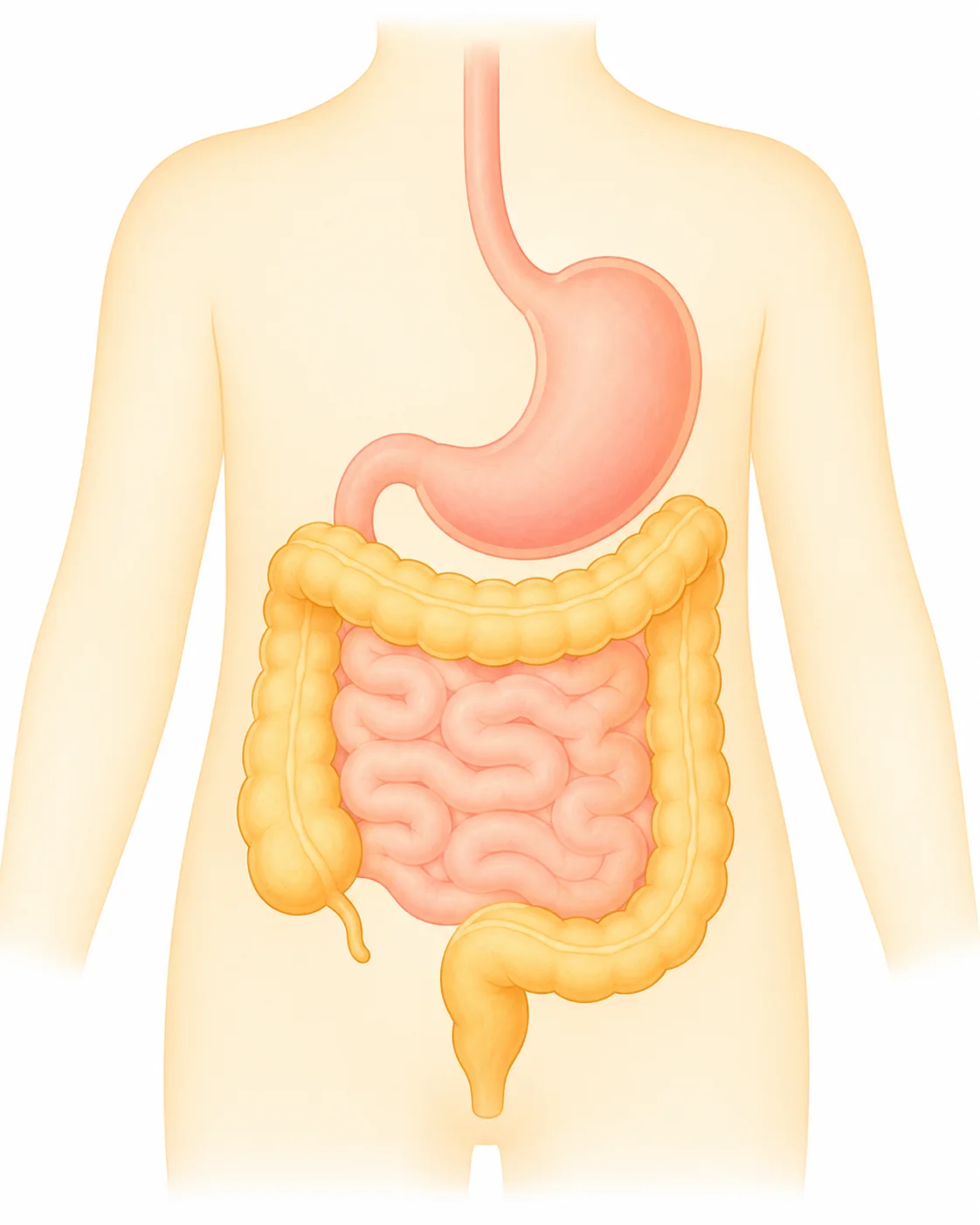
A simplified anatomical diagram of the infant stomach showing the esophagus, stomach, pylorus, and duodenum, explaining how vomiting causes fluid loss and why the kidneys reduce urine output in response, for parent observation education.EsophagusLES sphincterStomachHolds 2–4 oz in infantsup to 8 oz in toddlersPylorusValve to intestineDuodenumNormalvomitingFundusTop of stomachAntrumPushes food outHow vomiting causes fluid lossEach episode of vomiting can expel 30–120 mL of fluid — a lot for a small babyIt also contains electrolytes (sodium, potassium, chloride) that must be replacedWhat to tell your doctor about vomitingHow many times, how much each time, color, and whether it was forceful or gentle

What should parents watch for when a child is vomiting with no wet diapers?

  • No wet diaper for 6 hours in a baby, or 8 hours in a toddler, while vomiting continues
  • Vomiting occurring every time fluid is offered — even in tiny sips — if nothing stays down for 3 to 4 hours, home rehydration may not be possible
  • A child who becomes increasingly sleepy, limp, or difficult to rouse between vomiting episodes
  • Dry mouth, no tears, sunken eyes, or in babies a sunken soft spot appearing alongside the vomiting and dry diapers
  • Vomit that changes to yellow-green bile or contains blood — call 911 immediately
  • Breathing that becomes fast or deep even when the child is not actively vomiting — call 911 immediately

Track wet diapers and vomiting episodes together

Wet diaper diary

Record each wet diaper or bathroom trip with the time. This builds a 24-hour picture for a doctor visit — it does not assess hydration status.

How do pediatricians generally manage vomiting with no wet diapers?

  • Doctors commonly recommend the syringe method — giving tiny amounts of fluid (as little as one teaspoon or 5 mL) every 2 to 5 minutes using a medicine syringe, which the stomach is more likely to keep down than larger volumes
  • Pediatricians generally advise waiting 15 to 30 minutes after a vomiting episode before offering fluids again, then starting with very small sips
  • Healthcare providers often suggest using a pediatric oral rehydration solution rather than water, juice, or milk during active vomiting — it contains the right balance of sugar and salt to help the body absorb fluid even in small amounts
  • Doctors commonly recommend keeping a written log of each vomiting episode and each wet diaper with the time — this helps the pediatrician assess how quickly fluid loss is progressing
  • If the child can keep small sips down for an hour or two, doctors typically suggest slowly increasing the amount offered while continuing to monitor diaper output
  • If oral rehydration fails and the child cannot keep down even small sips, intravenous fluids or fluids given through a small tube placed through the nose into the stomach may be considered

Prepare a handoff summary for the doctor

Build your caregiver handoff sheet

Share what you have already observed. The preview updates as you type. Nothing is saved on this page.

Symptoms to note (select all that apply)

Live preview

PediaPulse

Caregiver Handoff Sheet

Your handoff preview will appear here as you type.

Educational observation sheet only. This does not replace medical advice, an emergency action plan, or care from your child's clinician.

Back to Dry Diapers When SickView visual guide →

Check Your Understanding

Tap the answer that best fits each scenario.

A 10-month-old has been vomiting every 20 to 30 minutes for the past 3 hours. A parent tries offering a teaspoon of oral rehydration solution — the baby vomits it back up within 5 minutes. The last wet diaper was 6 hours ago.

What does this pattern describe?

A 2-year-old has been vomiting since morning. A parent offers small sips of oral rehydration solution every few minutes. The toddler has kept several small sips down over the past 2 hours and just produced a wet diaper — the urine is dark yellow.

What does this pattern describe?

A 4-month-old has been vomiting for 4 hours. The parent notices the vomit has changed from white formula to a yellow-green color. The baby has had no wet diaper in 5 hours and appears limp when held.

What does yellow-green vomit alongside limpness and no wet diaper describe?