PediaPulse

Toddler Dry Diapers During an Illness — When to Hydrate

Toddlers ages 1 to 3 typically wet 4 to 5 diapers per day or use the toilet regularly. No urination in 6 to 8 hours during illness is a clear signal that fluid intake needs to increase. Toddlers have more reserve than babies, but illness-related losses can still outpace intake quickly.
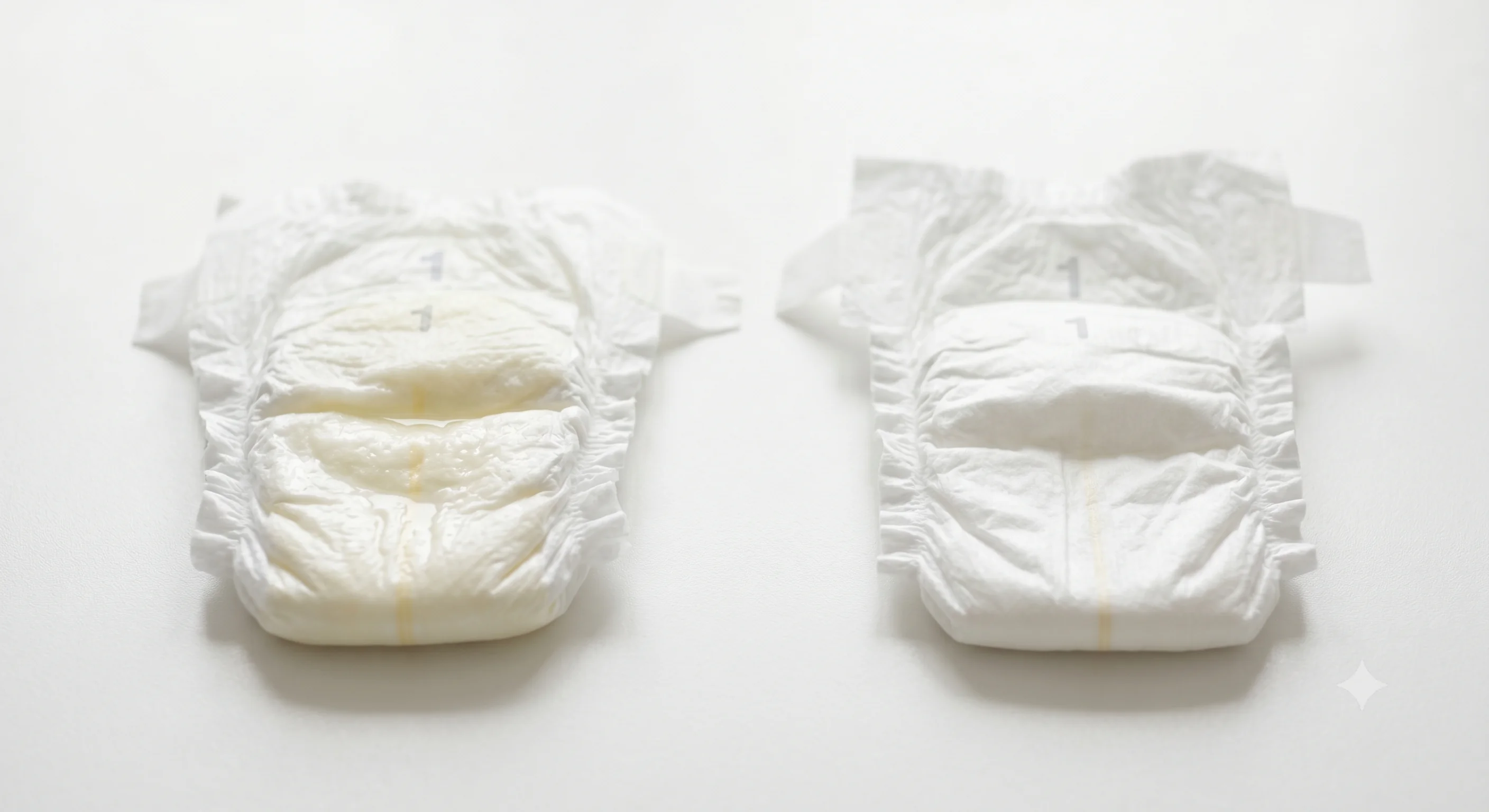
A side-by-side comparison of a wet and dry diaper — showing the difference between adequate and reduced urine output
Illustrative image.

Why is tracking urine output different in toddlers than in babies?

  • Toddlers have larger bladders and can hold urine longer, so a slightly longer gap between wet diapers may be normal — but 6 to 8 hours without urinating during illness is still a warning sign
  • Unlike babies, toddlers can drink from a cup and may accept a wider variety of fluids, giving parents more options for rehydration
  • Toddlers are more likely to refuse fluids due to sore throats, mouth sores, nausea, or simply feeling unwell
  • Because toddlers are more active than babies, they may lose additional fluid through sweating and movement even while sick
  • Potty-trained or partially trained toddlers make it harder to track urine output — temporarily returning to diapers during illness helps parents monitor more accurately
A visual bar chart showing the expected number of wet diapers per day for babies and young children at different ages, from newborn through toddler, helping parents recognize when diaper output has dropped below normal during illness.Expected wet diapers per day — by age10987654321Newborn0–1 month6–81–3 months5–73–6 months4–66–12 months3–5Toddler1–3 years3–4Concernbelow 3Wet diapers per dayNormal range for ageFewer than 3 diapers — tell your doctorDuring illness, track diapers across 24 hours and share the count with your pediatrician

What should parents watch for when a toddler has dry diapers during illness?

  • No urination for 8 or more hours, or diapers that are noticeably lighter and drier than usual over a full day
  • A dry, sticky mouth, cracked lips, or a toddler asking for drinks but then refusing to swallow
  • No tears when crying, sunken-looking eyes, or skin on the belly that stays pinched up instead of springing back
  • Unusual sleepiness, irritability that cannot be soothed, or a toddler lying still and not wanting to play
  • Dark yellow or strong-smelling urine when the toddler does finally urinate
  • Vomiting or diarrhea continuing alongside dry diapers — making it impossible for the child to catch up on fluids

Track wet diapers or bathroom trips over 24 hours

Wet diaper diary

Record each wet diaper or bathroom trip with the time. This builds a 24-hour picture for a doctor visit — it does not assess hydration status.

Toddler (1 to 3 years): 4 to 5 wet diapers or toilet voids per day is typical for toddlers.

Observation Summary

Age group: Toddler (1 to 3 years). Reference: 4 to 5 wet diapers or toilet voids per day is typical for toddlers.

Why Pediatricians Ask About This

Wet diaper and void counts give your pediatrician objective data about fluid output over time. Counts paired with brief notes help distinguish a busy day from a day when output truly seemed lower than usual.

Other Things Parents Often Notice

  • Urine color (pale, yellow, or darker) noted on individual entries
  • Whether diapers felt lighter or less saturated than usual
  • Timing of last wet diaper relative to feeds or fluids offered
  • For toilet-trained children, how many bathroom trips included urination

Share this observation with your child's pediatrician.

How do pediatricians generally evaluate and manage dry diapers in toddlers?

  • The doctor will ask about wet diapers or bathroom trips in the past 24 hours, what fluids have been offered, and how much the toddler has actually been keeping down
  • A physical exam checks for dry mouth, absent tears, skin turgor, capillary refill, and overall energy level
  • For mild dehydration, the doctor typically recommends oral rehydration at home — small frequent sips, oral rehydration solutions, or diluted apple juice followed by preferred fluids for children over 12 months
  • Research has shown that diluted apple juice followed by preferred fluids can be an effective approach for mild dehydration in toddlers
  • For moderate dehydration, supervised oral rehydration in the office or emergency room may be used — small measured sips given frequently over several hours
  • For severe dehydration or when the toddler cannot keep anything down, intravenous fluids are used to restore hydration quickly and blood tests may check electrolyte levels

Prepare a handoff summary for the doctor

Build your caregiver handoff sheet

Share what you have already observed. The preview updates as you type. Nothing is saved on this page.

Symptoms to note (select all that apply)

Live preview

PediaPulse

Caregiver Handoff Sheet

Your handoff preview will appear here as you type.

Educational observation sheet only. This does not replace medical advice, an emergency action plan, or care from your child's clinician.

Back to Dry Diapers When SickView visual guide →

Check Your Understanding

Tap the answer that best fits each scenario.

A 2-year-old has had diarrhea since this morning. It is now evening and the toddler has not urinated in 7 hours. The toddler is still awake and interactive but has been refusing fluids for the past 2 hours.

What does no urination in 7 hours alongside fluid refusal describe?

A 20-month-old has a fever and vomiting. A parent temporarily returns the toddler to diapers to track output. Over the past 24 hours there have been only 2 wet diapers. The urine in both was dark amber.

What does 2 wet diapers in 24 hours with dark amber urine describe?

A 3-year-old who is potty trained has a stomach bug. A parent cannot tell how often the child is urinating because the child is using the toilet. The child seems less active than usual and has cracked, dry lips.

What is the most useful observation strategy in this situation?