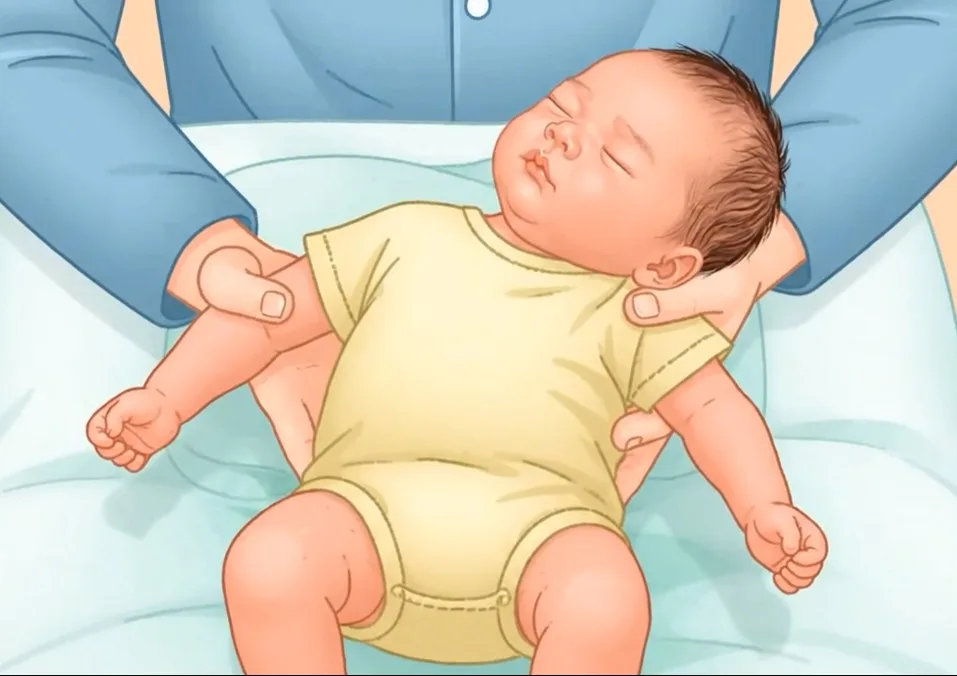
Toddlers between ages 1 and 3 commonly become clingy, droopy, and physically less active when they have a fever or are fighting an illness. This temporary weakness is usually the body conserving energy to heal. The key distinction is whether the toddler bounces back to near-normal activity and tone when the fever drops, or whether they remain persistently limp, unresponsive, and unable to support themselves regardless of temperature.
Illustrative image.
Why is floppiness during illness different in toddlers than in younger babies?
Toddlers are normally very active and physically strong for their size, so parents tend to notice weakness and floppiness more dramatically at this age — a child who was running around yesterday and now cannot sit up gets attention quickly
Unlike babies, toddlers have a more mature immune system, so temporary floppiness during a fever spike is more often caused by common viral illnesses and less likely to signal a hidden serious bacterial infection
Toddlers are at peak age for febrile seizures — brief episodes of shaking triggered by a rapid rise in temperature — and a child may appear very floppy and unresponsive for a short period afterward, which is a normal recovery phase but should always be evaluated by a doctor
Dehydration is a common and underestimated cause of weakness in sick toddlers — they often refuse to drink when feverish, and fluid loss from fever, vomiting, or diarrhea can make them feel noticeably limp
What should parents watch for when a toddler feels weak or floppy during illness?
The bounce-back test is the most useful observation at this age — a toddler who perks up, wants to play, or shows interest in a favorite show or snack once the fever comes down is generally reassuring
A toddler who remains completely limp, does not respond to their name, will not make eye contact, or cannot hold their head up even when the fever is controlled needs prompt medical evaluation
Watch for signs of dehydration alongside the weakness — fewer wet diapers than usual, no tears when crying, dry lips, and sunken-looking eyes all suggest the child needs more fluids
New difficulty walking or standing in a toddler who was previously steady — especially if they refuse to bear weight on one leg — may point to a joint or bone issue rather than general illness
A toddler who has repeated episodes of going limp or staring blankly — especially without a clear fever spike each time — should be evaluated for possible seizure activity
Describe how the toddler feels when picked up
How does the baby feel when you pick them up?
Choose the description that best matches what you felt when holding your baby.
How do pediatricians generally evaluate a toddler who feels weak or floppy with fever?
The doctor will watch how the toddler behaves in the room — a child who cries vigorously during the exam, clings to the parent, and resists being examined is showing reassuring signs of normal energy and tone
If dehydration is suspected, the doctor may try oral rehydration first and reassess — many toddlers improve dramatically with fluids alone, and their strength and alertness return quickly
Blood and urine tests may be ordered if the toddler looks unwell, has had a prolonged fever, or if the weakness does not match what would be expected from a simple viral illness
If the child had an episode that looked like a seizure — sudden limpness, eyes rolling, shaking, or a period of unresponsiveness — the doctor will evaluate whether it fits the pattern of a simple febrile seizure or needs further investigation
Most toddlers with fever-related weakness who bounce back after fever control and hydration are managed at home with close follow-up, while those who remain persistently floppy or unresponsive may need hospital observation
Observe alertness, consolability, and activity level
How does your child seem right now?
Rate what you observe on each dimension. This records your observations — it does not score or judge them.
A 2-year-old has a fever of 103.4°F and is lying on the couch, not interested in toys or TV. When the fever-reducing medicine takes effect and the temperature drops to 100.2°F, the toddler sits up, asks for a snack, and watches a show for 20 minutes.
What does this bounce-back pattern describe?
An 18-month-old has a fever of 102°F. The parent gives fever-reducing medicine and waits 45 minutes. The temperature drops to 99.8°F but the toddler remains completely limp — cannot hold their head up, does not respond to their name, and makes no eye contact.
What does persistent floppiness after fever reduction describe?
A 2-year-old with a fever of 104°F suddenly goes limp, their eyes roll upward, and their arms and legs shake rhythmically for about 30 seconds. Afterward the child is floppy, sleepy, and difficult to rouse for about 10 minutes before gradually becoming more alert.
What does this episode describe?
Not every fever is the same—and not every fever needs the same response.
Get pediatrician-designed visual guides and tools like this one, free in the PediaPulse app.
Cioffredi LA, Jhaveri R. Evaluation and management of febrile children: a review. JAMA Pediatrics. 2016;170(8):794-800.
Hamilton JL, Evans SG, Bakshi M. Management of fever in infants and young children. American Family Physician. 2020;101(12):721-729.
Ebenezer Adebiyi, MD, MPH, FAAP
Board-Certified Pediatrician · FAAP · Founder of PediaPulse
Dr. Adebiyi built PediaPulse to help parents understand what they are observing so they can have better, more informed conversations with their own doctors.