PediaPulse

Limp or Floppy Baby During a Fever Spike

It is common for babies to feel somewhat softer and less active when their temperature spikes — the body is redirecting energy toward fighting infection. In babies under 12 months, a truly limp or floppy feeling during a fever is one of the most important warning signs pediatricians use to identify serious illness. A baby who feels like a ragdoll with no resistance when picked up during a fever needs prompt medical evaluation — especially if they remain floppy even after the fever is brought down.
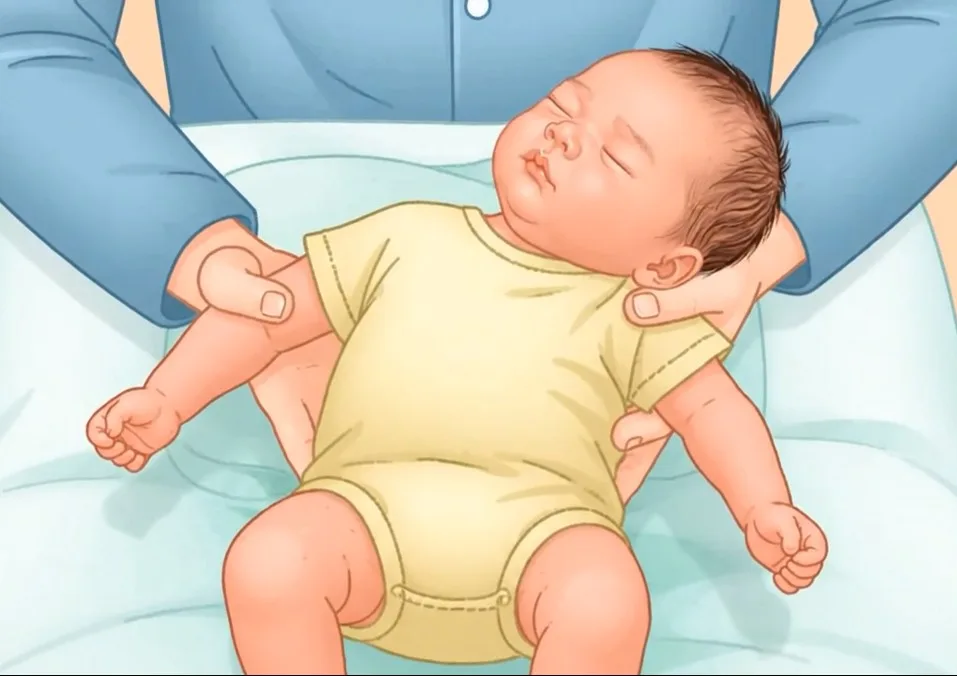
A baby appearing limp and floppy while being held during a fever spike
Illustrative image.

Why is floppiness during fever treated differently in babies under 12 months?

  • Babies under 12 months have limited ways to show they are seriously ill — floppiness during a fever may be one of the only visible signs of a dangerous infection like meningitis or a bloodstream infection
  • A young baby's nervous system is still developing, making them more vulnerable to the effects of high fever — but true limpness that does not improve with cooling or comfort goes beyond a normal fever response
  • For babies under 3 months, any fever of 100.4°F or higher combined with decreased muscle tone is treated as a medical emergency until evaluated
  • Unlike older children who may just become sluggish with a fever, a baby who loses the natural curled-up posture and feels heavy and floppy is showing a more concerning change
  • The younger the baby, the harder it is to distinguish between tired from fighting a virus and dangerously ill — which is why the threshold for evaluation is set very low in this age group
A three-panel comparison showing normal muscle tone decreased tone and very floppy tone in a sick infant with observable posture markers to help parents describe their baby muscle tone to a pediatrician.Normal toneDecreased toneVery floppyHeld uprightWhat parents observeHolds body uprightArms and legs resistslightly when movedHeld uprightWhat parents observeFeels heavier than usualArms and legs hangwithout resistanceHeld uprightWhat parents observeLike a rag dollHead flops no effortto hold positionTell your doctor: does baby feel normal heavier than usual or completely floppy when you pick them up?

What should parents watch for when a baby feels floppy during fever?

  • After fever-reducing medicine (if age-appropriate), observe whether the baby's tone and alertness improve as the temperature comes down — a baby who perks up and feels firmer is more reassuring than one who stays limp
  • A floppy baby who also refuses to feed, has a weak or absent cry, or does not make eye contact — these combined signs suggest the floppiness is not just from the fever itself
  • Check the soft spot on top of the head (fontanelle — the soft area on top of a newborn's and young baby's head) — if it appears swollen or bulging while the baby is calm and upright, this can be a sign of increased pressure and needs urgent attention
  • Notice whether the baby moves all four limbs equally — a baby who is floppy on one side but not the other may have a different type of problem than generalized illness
  • A baby who has a brief episode of limpness during a rapid temperature rise but then returns to normal tone and behavior within minutes may have experienced a febrile seizure — this should still be reported to the doctor

Describe how the baby feels when picked up

How does the baby feel when you pick them up?

Choose the description that best matches what you felt when holding your baby.

How do pediatricians generally evaluate a floppy baby with fever?

  • The doctor assesses the baby's overall appearance and responsiveness — how the baby looks, reacts to being examined, and whether tone improves after fever reduction is a critical part of the evaluation
  • For babies under 3 months with fever and floppiness, the standard evaluation typically includes blood tests, a catheterized urine sample, and often a lumbar puncture (spinal tap — a test of the fluid around the brain and spine) to check for meningitis — this is considered routine care in this age group
  • For babies 3 to 12 months old, the evaluation may begin with blood and urine testing, with further steps depending on how the baby looks after fever management
  • If the baby's tone does not improve once the fever comes down, or if concerning findings are identified on the neurological exam, brain imaging or additional specialty consultation may be recommended
  • Hospital admission for observation and intravenous antibiotics is common for young babies who present with fever and true floppiness — even before all test results are back

Prepare a handoff summary for the doctor

Build your caregiver handoff sheet

Share what you have already observed. The preview updates as you type. Nothing is saved on this page.

Symptoms to note (select all that apply)

Live preview

PediaPulse

Caregiver Handoff Sheet

Your handoff preview will appear here as you type.

Educational observation sheet only. This does not replace medical advice, an emergency action plan, or care from your child's clinician.

Back to Limp or Floppy BodyView visual guide →

Check Your Understanding

Tap the answer that best fits each scenario.

A 5-month-old has a fever of 103°F and feels noticeably softer than usual when picked up. After fever-reducing medicine, the temperature drops to 100.8°F and the baby becomes more active, makes eye contact, and accepts a feeding.

What does this pattern of floppiness describe?

A 6-week-old has a fever of 100.8°F. When picked up the baby feels completely limp — arms hanging straight down, no resistance, head flopping backward. The baby is not making eye contact and is not responding to the parent's voice.

What does complete limpness with unresponsiveness in a baby this age describe?

A 4-month-old with a fever of 102.4°F feels floppy when held. While checking on the baby the parent notices the soft spot on top of the head looks swollen and is visibly bulging outward. The baby is not feeding well.

What does a bulging soft spot alongside fever and floppiness describe?

PediaPulse is an independent, visual educational initiative founded by Ebenezer Adebiyi, MD, MPH, FAAP. It is not affiliated with, endorsed by, or representative of the views or clinical practices of any hospital network or medical institution. Dr. Adebiyi's work on PediaPulse is strictly educational, does not constitute the establishment of a doctor-patient relationship, and does not provide medical advice or diagnostic triage. Always consult your child's physician for medical concerns. PediaPulse is a product of ProParenting Pulse LLC.