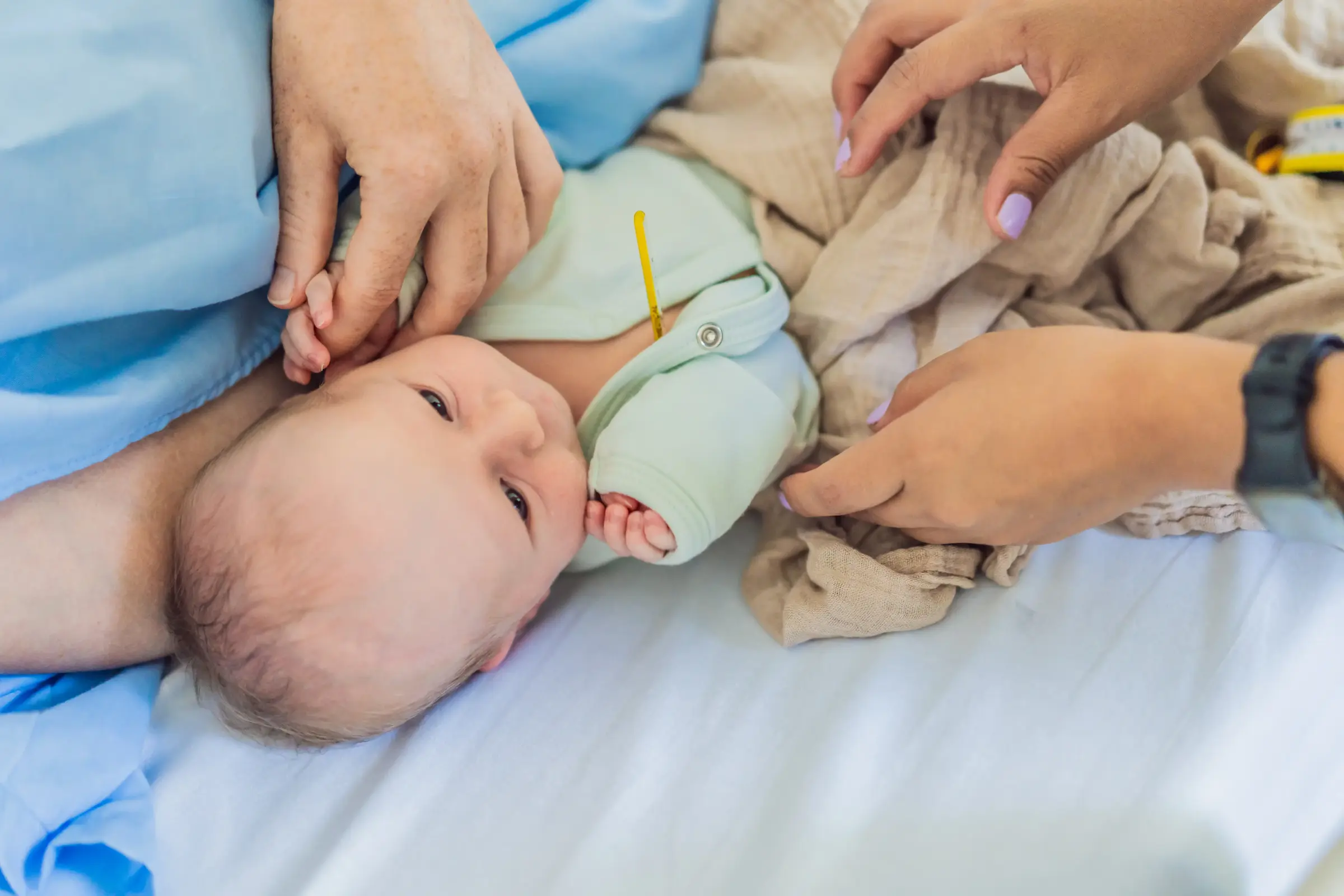
In toddlers — children roughly one to three years old — fever is very common and is usually caused by everyday viral infections. The immune system is more developed at this age and most fevers resolve on their own. The focus shifts from ruling out hidden infections to keeping the child comfortable and watching for warning signs.
Illustrative image.
Why is fever in toddlers different from fever in younger babies?
Toddlers have more mature immune systems and have typically received several rounds of routine vaccinations, significantly reducing the risk of serious bacterial infections
Since the introduction of pneumococcal and Haemophilus influenzae type b (Hib — a bacteria that can cause serious infections including meningitis) vaccines, occult bacteremia in well-appearing febrile toddlers has dropped to approximately 0.5 percent
Urinary tract infections remain the most common serious bacterial infection in febrile toddlers without an obvious source — occurring in approximately 5 to 7 percent of cases
The height of the fever alone has less significance in older children — a toddler with a temperature of 104°F who is drinking, playing, and interactive is generally less concerning than a baby with a lower fever who appears limp or unresponsive
Most fevers in this age group are caused by common viral illnesses — colds, ear infections, stomach bugs, and roseola
The focus of care shifts toward comfort, hydration, and monitoring behavior rather than extensive laboratory testing
What should parents watch for in a toddler with fever?
How the child looks and behaves matters more than the number on the thermometer — a child who is drinking, making eye contact, and responsive is generally reassuring
Fever lasting more than three to five days — even if the child seems otherwise well — is worth describing to a pediatrician
Refusal to drink fluids, significantly reduced urine output, or absence of tears when crying may suggest dehydration
A toddler who is unusually difficult to wake, appears limp, or is inconsolable needs prompt evaluation
A non-blanching rash — one that does not fade when pressed firmly — alongside fever is a medical emergency — call 911
Difficulty breathing, chest pulling in, or grunting alongside fever warrants urgent attention
A temperature at or above 104.9°F (40.5°C) without an obvious source has been associated with a higher rate of serious bacterial infection and may prompt additional evaluation
Febrile seizures — brief episodes of shaking or stiffening triggered by a rapid rise in temperature — can occur in toddlers and should be evaluated by a pediatrician
How do pediatricians generally evaluate and manage fever in toddlers?
Evaluation starts with a thorough physical examination looking for a clear source — ears, throat, lungs, and belly are commonly checked
If a clear source is identified — such as an ear infection, sore throat, or obvious viral illness — additional testing is often unnecessary
When no source is found, a urine sample may be collected — especially in girls under two years, uncircumcised boys, and children with fever lasting more than 24 hours
Blood tests and chest X-rays are generally reserved for children who appear unwell, have very high temperatures, or have fever lasting more than 48 hours with breathing symptoms
The goal of fever management is comfort — pediatricians generally recommend age-appropriate options based on the child's level of discomfort, not to reach a specific temperature number
Adequate fluid intake is emphasized — small, frequent sips of clear fluids or continued breastfeeding help prevent dehydration
Behavior, fluid intake, and urine output are the key things to observe and report if the child's condition changes or new symptoms develop
See fever context for toddlers
How old is your child?
Select an age group to see age-appropriate context for what you are observing.
Toddler: A toddler may tell you they feel unwell, cling more, or refuse usual activities during a fever. Describing specific behavior changes helps your child's doctor understand the full picture.
Observation Summary
Age group selected: Toddler.
Why Pediatricians Ask About This
Age changes how pediatricians interpret fever and which questions they prioritize. In infants younger than 2 months, a temperature of 100.4°F (38.0°C) or higher is typically evaluated promptly by a healthcare professional, even when a baby otherwise appears well. Recording age ensures home observations are reviewed with the right clinical context.
Other Things Parents Often Notice
Date of birth or corrected age if your child was born early
Whether this is your child’s first fever or a recurring pattern
Recent vaccinations or new medications started
Whether your child has a condition your pediatrician already follows
Share this observation with your child's pediatrician.
A 2-year-old has a temperature of 103.8°F. Between fever spikes the child is playing, drinking juice, making eye contact, and responding normally. There is no rash or breathing difficulty.
What does this pattern describe?
An 18-month-old has had fever between 101°F and 103°F for five days. The child is eating less than usual but is drinking fluids and producing wet diapers. There are no other symptoms.
What does a five-day fever pattern describe in a toddler?
A 2-year-old develops a fever of 102°F and has a brief episode of shaking and stiffening lasting about 30 seconds. The child is now awake but sleepy. There is no rash.
What does this episode describe?
Not every fever is the same—and not every fever needs the same response.
Get pediatrician-designed visual guides and tools like this one, free in the PediaPulse app.
Sullivan JE, Farrar HC; Section on Clinical Pharmacology and Therapeutics, Committee on Drugs. Fever and antipyretic use in children. Pediatrics. 2011;127(3):580-587.
Cioffredi LA, Jhaveri R. Evaluation and management of febrile children: a review. JAMA Pediatrics. 2016;170(8):794-800.
Ebenezer Adebiyi, MD, MPH, FAAP
Board-Certified Pediatrician · FAAP · Founder of PediaPulse
Dr. Adebiyi built PediaPulse to help parents understand what they are observing so they can have better, more informed conversations with their own doctors.