A 3-week-old is sleeping and observers notice very slight, subtle chest wall movement with each breath. The baby looks peaceful and has good color. What is this most likely?
Baby's Chest Sucking In While Sleeping: When to Wake Them
Babies breathe more slowly during sleep, and their soft, flexible ribcages may show slight movement — this is usually normal. However, if the skin is pulling in deeply between or below the ribs with every breath while sleeping, or breathing sounds noisy or labored, gently wake the baby and watch closely. Persistent pulling-in during sleep is a reason to seek medical attention.
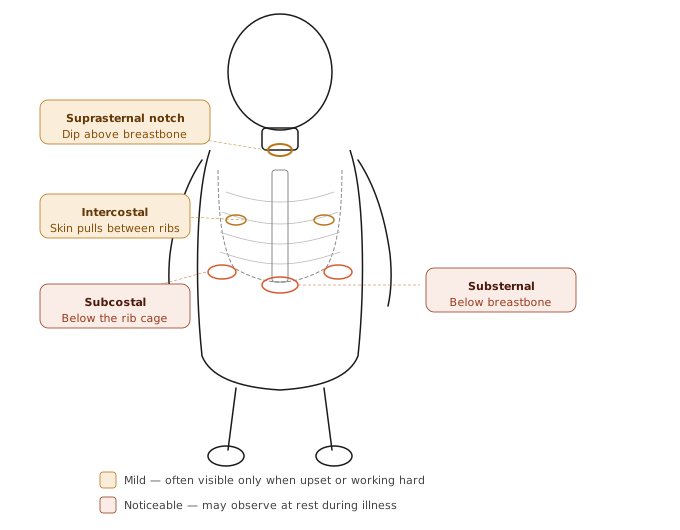
Sleep can make it harder to tell whether a baby's breathing is normal or labored. This guide helps parents know what to look for, when to wake a sleeping baby, and when to seek care.
Why Sleep Makes This Harder to Assess
- During sleep, a baby's breathing naturally slows down and becomes more regular compared to when awake.
- Because a baby's chest wall is made of soft cartilage rather than hard bone, even normal sleep breathing can cause very mild, subtle movement of the chest — this is not the same as retractions.
- True retractions — deep, repeated pulling-in of the skin between the ribs, below the ribcage, or at the throat — mean the breathing muscles are working harder than they should to move air into the lungs.
- Sleep can sometimes mask worsening breathing problems because a sleeping baby may appear calm and quiet even when effort is increasing.
- That is why it is important to gently wake a baby if the chest pulling looks deeper or more noticeable than usual — a baby's response to being woken gives valuable information about how well the baby is doing.
- If the retractions continue or worsen after the baby wakes up, this suggests the body is truly struggling and medical attention is needed.
When to Worry
- Retractions that persist after waking: If you gently wake the baby and the deep pulling-in of the chest continues with every breath — rather than easing up — this is a sign the baby needs to be seen by a healthcare provider.
- Breathing that stays fast or sounds unusual: A sleeping newborn normally breathes 30 to 60 times per minute. If breathing remains above 60 breaths per minute after waking, or you hear grunting, wheezing, or a whistling sound with each breath, seek care promptly.
- Color changes or poor responsiveness: Blue or gray color around the lips, tongue, or fingernails, or a baby who is unusually difficult to wake, limp, or unresponsive, requires immediate emergency care.
- Pauses in breathing longer than 20 seconds: Brief pauses under 10 seconds can be normal in newborns, but a pause lasting 20 seconds or more — or any pause accompanied by color change or limpness — is a medical emergency.
Knowledge Check
Tap the answer that best fits each scenario.
A 6-week-old has been sleeping for an hour. Observers notice deep skin pulling between the ribs with every breath. The baby is gently awakened and the retractions continue. What is the appropriate response?
Observers notice a sleeping newborn has not breathed for about 25 seconds. The baby then starts breathing again but looks pale. What is the appropriate response?