A 10-day-old is sleeping and breathing in bursts — fast for a few seconds, then slower, then a pause of about 6 seconds, then fast again. The baby has pink lips and relaxed arms. What is this?
Normal Fast Breathing in Sleeping Newborns
Newborns naturally breathe fast and irregularly during sleep — this is normal. A healthy sleeping newborn typically breathes 32 to 57 breaths per minute, with bursts of quicker breaths followed by slower ones and brief pauses of up to 10 seconds. This pattern, called periodic breathing, reflects the newborn's still-maturing brain and is not a sign of distress. Parents should watch for pauses longer than 20 seconds or color changes, not the speed of breathing alone.
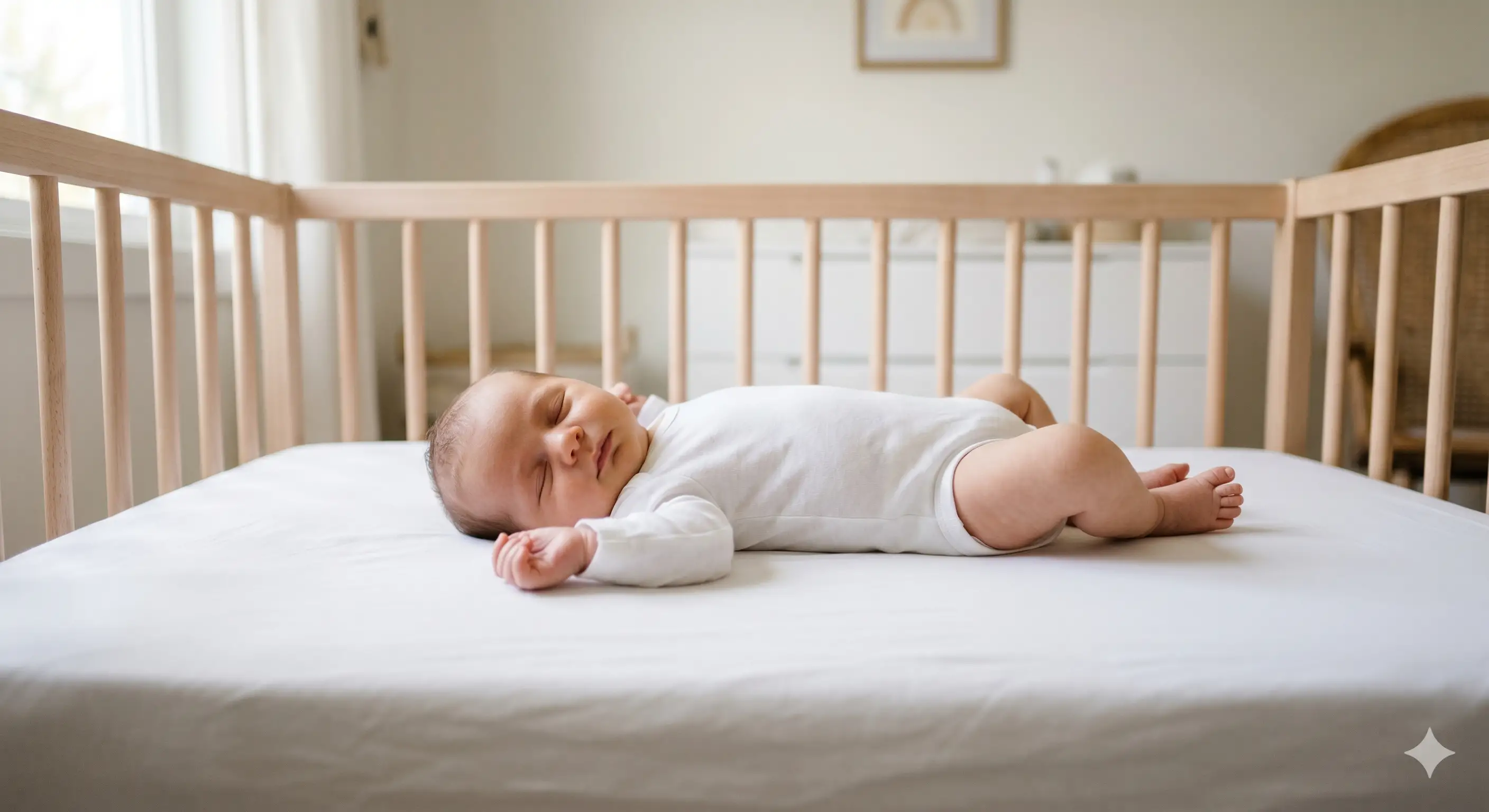
Why Newborn Sleep Breathing Is So Different From Older Babies
- Newborns spend most of their sleep time in active sleep — during active sleep, breathing is naturally faster and more irregular, with rates 4 to 13 breaths per minute higher than during quiet sleep.
- The brain's breathing control center is still maturing at birth, which means the signals that regulate breathing rhythm are not yet smooth and steady — this causes the characteristic pattern of fast bursts followed by brief pauses.
- Periodic breathing — short clusters of breaths separated by pauses of 3 to 10 seconds — occurs in up to 40% of healthy term newborns in the first week of life and is considered a normal developmental pattern.
- Brief pauses in breathing under 10 seconds followed by a return to normal breathing are common and expected — they do not mean the baby has stopped breathing or is in danger.
What Parents Should Watch For During Newborn Sleep Breathing
- A pause in breathing that lasts longer than 15 to 20 seconds is no longer considered normal periodic breathing and should prompt immediate gentle stimulation — rubbing the baby's back or feet.
- Watch for color changes during sleep — healthy newborns maintain pink lips and tongue even during irregular breathing. Blue or gray discoloration of the lips, tongue, or face is a warning sign.
- Listen for grunting — a short, low-pitched sound at the end of each breath out — which means the baby is working to keep the lungs open and is different from the normal squeaks and sighs of active sleep.
- A newborn whose breathing is fast but who has relaxed arms and legs, normal color, and no visible pulling-in of the skin at the neck or ribs is almost certainly showing normal sleep breathing.
How Pediatricians Evaluate a Newborn's Breathing During Sleep
- At well-baby checkups, the pediatrician counts the breathing rate during a calm or sleeping moment and looks for signs of increased work of breathing — retractions, nasal flaring, or grunting.
- If parents report concerning breathing patterns, the doctor may ask them to record a short video on their phone during sleep — this is extremely helpful because newborn breathing patterns can change minute to minute.
- In rare cases where breathing pauses are frequent or prolonged, the pediatrician may recommend a period of monitored observation or refer to a specialist — but the vast majority of irregular newborn sleep breathing resolves on its own as the brain's breathing center matures over the first few months of life.
- Premature babies are more likely to have exaggerated periodic breathing and may need closer monitoring — parents of preterm babies should discuss specific breathing guidelines with their neonatologist before discharge.
Knowledge Check
Tap the answer that best fits each scenario.
A 2-week-old has been pausing breathing for about 22 seconds during sleep. The baby then starts breathing again on their own. What is the appropriate response?
A sleeping newborn is breathing fast with a slight grunting sound at the end of each breath out. The baby's arms and legs are relaxed and color is normal. What does the grunting mean?